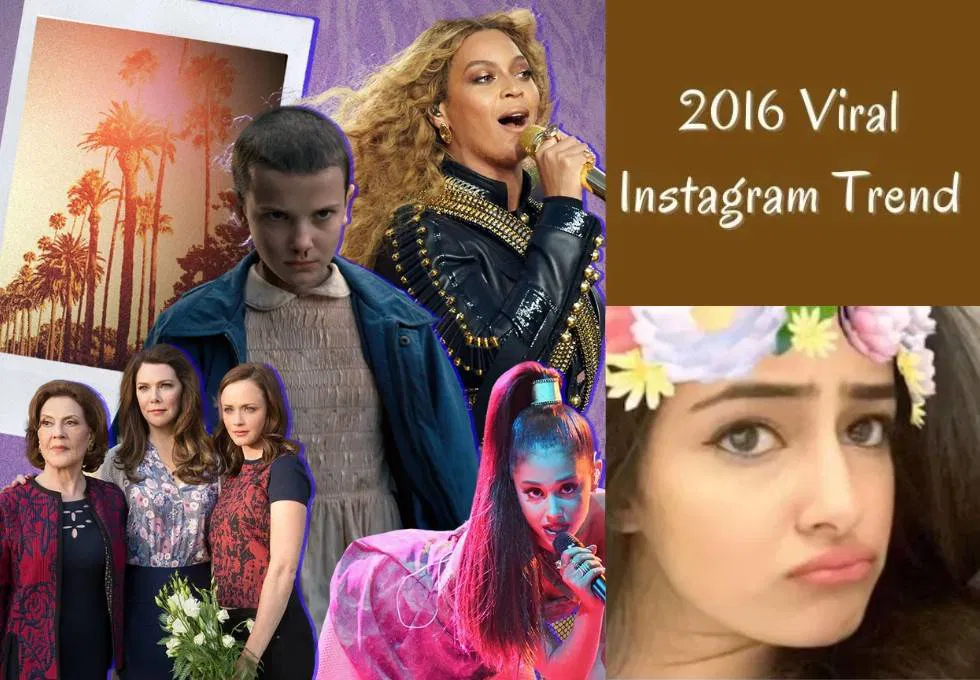
The year 2026 has barely opened its doors when social media platforms like TikTok, Instagram, and X already have posts stating, “2026 is the new 2016.” Users are reflecting on a decade-old era with their old pictures, vintage filters, and captions that now seem more carefree and, indeed, deep. It all started as a fun throwback, but now it’s a global digital movement with millions going through the aesthetics, trends, and personal i-memory of mid-2010s culture together. Users can now go back to the times of less polished online experiences and reconnect with simpler social media activities that existed during the early days of social media. Some believe the same thing is happening now due to global shifts in the political and cultural arena, for example, the Trump presidency in the U.S., which was a turning point in people’s online experiences and hence their need for nostalgia.
The Psychology of Nostalgia: Rosy Retrospection and Emotional Pull
Experts attribute the occurrence to rosy retrospection, a term used in psychology to describe the phenomenon in which people tend to remember the past as being more pleasant than it actually was. The year 2016 is considered by many to be the last time social media was unpolished and organically fun. Social media posts were not stressful, and the content of the feeds was mainly driven by friends and the personal moments of the users instead of by the algorithms, AI, or monetary aspects. A lot of fans and celebrities are going back to that year and reliving through photos, videos, and memories that ran friendship, milestones, and personal growth. The process of digital rewind is not only able to provide comfort and familiarity but also a feeling of connection in the world of online strife that is fast-paced nowadays.
Gen Z and the Rise of Authenticity
Essentially, the hype has been greatly driven by the so-called Generation Z users, who were kids or teens back in the year 2016. They started sharing no-effort but real throwback pics on TikTok, and the algorithms globally increased their chances of being seen because of their relatability. The trend didn’t take long to grow, and major corporations took advantage of the 2016 look as one of the marketing strategies by offering products that were inspired by the past to trigger nostalgia. For the people using the service, the trend is like an emotional sincerity moment in the middle of a very polished digital realm.
Celebrities Amplifying the Movement
The trend has been pushed into the public eye by the participation of celebrities. Indian actresses such as Ananya Panday, Khushi Kapoor, Janhvi Kapoor, and Sonam Kapoor have all posted pictures from 2016, which show not only their early careers but also their personal lives. Priyanka Chopra, Alia Bhatt, and even world-famous musicians like Jon Bon Jovi and actors like Meghan Markle have been part of the trend by sharing their old pictures, magazine covers, and personal memories from a decade ago. Their participation mingles with the past and adds up to the present in such a way that it builds a bridge over the cultural and personal differences and celebrates the unity based on shared geography as well as memories and experiences.
Pop Culture as a Digital Time Capsule
2016 was a momentous year in terms of culture. The challenges that went viral, the music/songs of Beyoncé like Lemonade and Closer, the series that went like Stranger Things, and the internet crazes like Pokémon Go, we’re all part of a generation. Today’s users are bringing these moments back to life by using the fashion, music memes, and challenges from that time, thus creating an experience of walking down memory lane via social feeds. Glamour reports that this trend especially attracts the millennials who find it nostalgic, as 2016 was the time when the growing-up process of social identity took place, the time when social media was more personal, less performative, and more about connections than algorithms.
Comparing Then and Now
In 2016, social media feeds were more straightforward, fun, and less demanding. Memes were informal, users were very creative, and even the moments shared were done without thinking of going viral or getting paid through it. As against that, today’s Instagram feeds populated by AI, ads, and professional curators have led many to miss the simplicity and the genuineness of that time. The line of development indicates a longing to break away from the pressures caused by algorithms and to come back to a more human-centered online experience for a short time.
Criticism and Performative Nostalgia
Some critics, however, point to the risk of the trend becoming unarguably, or even ridiculously, performative. This is particularly so as influencers and brands take over and hype the movement for their engagement and marketing purposes. Participation at such a large scale sometimes makes the emotional connection less strong, but the original feeling was personal and authentic. On the other hand, the trend, even if it is performative or monetized, is a clear indication that nostalgia is still affecting online culture, identity, and memory in a collective way. This trend reveals the dual role of social media as one that can provide a digital memory lane and also be a collective cultural touchstone at the same time.