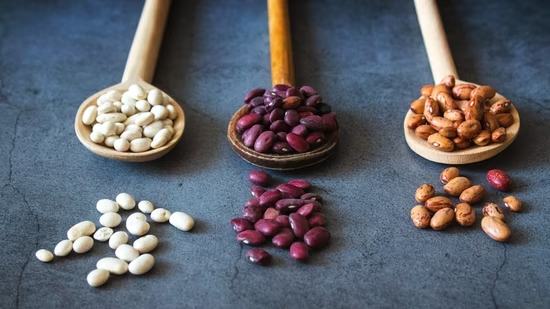
Animal protein has long been considered a cornerstone of a balanced diet, valued for its high-quality amino acids and nutrient density. However, growing research continues to link high consumption – particularly of red and ultra-processed meats – to long-term health concerns, including cardiovascular disease and other complications associated with excess saturated fat intake. At the same time, studies increasingly suggest that replacing even a small portion of animal protein with plant-based sources may support longevity and a longer healthspan.
Also Read | UK surgeon explains the power of beans for maintaining a healthy gut microbiome: ‘Basically a Michelin star meal for…’
Dr Karan Rajan, a UK-based surgeon and popular health content creator, has shared a hack to replace a part of your meat protein intake, instantly boosting your fibre consumption and making your meals nutritionally smarter. In an Instagram video shared on February 25, the surgeon suggests blending beans into any gravy as a simple way to replace a portion of your meat with legumes. This swap can add up to seven grams of fibre per half cup, without significantly altering the taste or texture of the dish. Beyond boosting fibre intake, he notes that it may also support cardiovascular health and aid in weight management.
The bean swap effect
According to Dr Rajan, if you regularly consume large amounts of meat, this simple swap could have a meaningful impact on your overall health. He references a study conducted by the University of Helsinki, in which a group of men were asked to reduce their intake of red and ultra-processed meats and replace them with legumes.
He explains, “Scientists at the University of Helsinki instructed 51 men to reduce the amount of red meat and ultraprocessed meat they were eating to just 200 grams a week (seven ounces), equivalent to five percent of their total protein intake. Meanwhile, the men ate more legumes, specifically peas and faba beans, equivalent to 20 percent of their total protein intake, and they continued eating chicken, eggs, fish, and other protein sources as normal.”
Beyond incorporating the legume swap, the participants were not instructed to make any additional dietary changes or restrict their calorie intake. Yet, noticeable results began to emerge within just six weeks. They experienced weight loss, and laboratory tests revealed lower cholesterol levels, a reduced risk of heart disease and even improved iron levels – highlighting the measurable impact of a relatively small shift in protein sources.
Dr Rajan elaborates, “Beyond the bean swap, the men were not told to eat any less or restrict any of their calories. But after just six weeks, they had lost an average of one kilo or 2.2 lb of weight. And the changes didn’t stop there. By the end of the study, the men who had eaten legumes had lower levels of total and LDL cholesterol, suggesting that the diet swap reduced their risk of heart disease. At the same time, the men’s iron levels improved, which is surprising given that red meat is considered to be a good source of dietary iron.”
How to incorporate the swap?
Dr Rajan points out that while animal protein sources are often viewed as nutritionally superior, they can also be high in saturated fats – excessive intake of which is linked to long-term health complications. By replacing even a small portion of meat with beans, you not only increase your fibre intake but also lower saturated fat consumption, helping to reduce the risk of heart disease. The change is simple and practical: just blend the beans into your existing dishes alongside other ingredients, with little impact on flavour but meaningful benefits for your health.
The surgeon explains, “Let’s face it, we collectively eat more saturated fat than we should be and replacing a small portion of meat with beans is something every person could do. For example, when you’re next making spaghetti bolognese, use half the amount of beef mince and top it up with beans. You’d barely notice it because blended beans virtually taste of nothing. And you’re sneaking in fibre, polyphenols, and a saturated fat-free protein source.”
Note to readers: This article is for informational purposes only and not a substitute for professional medical advice. It is based on user-generated content from social media. HT.com has not independently verified the claims and does not endorse them.