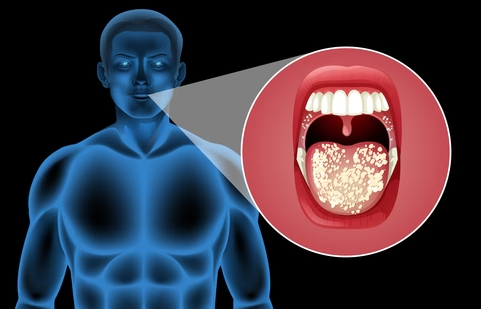
Oral cancer is often associated with smoking or chewing tobacco, but it’s not limited to these habits. Many people believe they are at low risk if they don’t use tobacco, yet even seemingly small choices, like having a drink every day, can increase vulnerability.
A study by researchers at the Centre for Cancer Epidemiology and Homi Bhabha National Institute found that more than 6 out of 10 oral cancer cases in India are linked to alcohol and the use of smokeless tobacco products such as gutkha, khaini, and paan.
According to the study, 62% of all oral cancers in the country result from a combination of tobacco and alcohol use. While tobacco remains a major risk factor, the findings highlight that alcohol consumption can also significantly increase the risk of developing mouth cancer. (Also read: Cardiologist reveals how a 37 year old Hyderabad man who ran 5 km daily, never drank or smoked, ‘needed 2 heart stents’ )
How alcohol contribute to oral cancer
Dr Sandeep Nayak, Chairman, Oncology and Executive Director, Surgical Oncology and Robotic Surgery, KIMS Hospitals Bengaluru, shares with HT Lifestyle, “First, drinking alcohol produces acetaldehyde, a toxic substance that damages DNA in your mouth’s cells. Second, alcohol consumption increases the permeability of your oral tissue, allowing harmful substances to easily enter.”
He adds, “Third, because alcohol reduces saliva production, your mouth can no longer function properly as a natural defence mechanism, which can lead to inflammation. If these factors occur continuously over time, they interfere with normal cell repair and increase the likelihood of a cell becoming cancerous.”
Early signs and symptoms of oral cancer
“Signs of oral cancer can be identified early on by showing signs of almost constant white or red discolouration of tissue (known as patches) inside the mouth; experiencing difficulty opening the mouth fully; bleeding but not knowing why; having loose teeth and pain while eating and swallowing,” explains Dr Sandeep.
“If you experience these symptoms for more than 2 to 3 weeks, you should visit a doctor, as early detection can improve outcomes and help with a timely diagnosis,” he adds.
What are the risk factors
“There are many factors that could contribute to your likelihood of developing oral cancer, including tobacco and alcohol use, but some other risk factors associated with oral cancer are:-
● Poor oral hygiene
● Chronic irritation to the mouth, such as when an edge of a tooth is sharp
● Human Papillomavirus (HPV) infection
● Excessive sun exposure to the lips
● Long-term inflammation in the oral cavity
Other lifestyle issues and genetic factors could also increase your chances,” says Dr Nayak.
Precautions to consider
“Eliminating tobacco and alcohol from your life is probably the most important thing you can do to lower your chances of ever developing oral cancer. But there are other steps you can take to help prevent oral cancer, including:-
● Going to the dentist to check up on your mouth frequently and get those dental issues treated before they get too big
● Taking good care of your mouth by keeping it clean
● Eating a well-balanced diet
● Being screened for oral cancer on a regular basis
● Knowing what the signs and symptoms of oral cancer are
“There are different pathways for developing oral cancer, and the HPV vaccine to reduce risk is one of those pathways. The best protection against developing oral cancer is to learn more about the disease, increase awareness, and intervene early,” concludes Dr Sandeep.
Note to readers: This article is for informational purposes only and not a substitute for professional medical advice. Always seek the advice of your doctor with any questions about a medical condition.