Oral cancer is considered to be one of the most malignant forms of cancer owing to its slow nature. It is known to start developing around the tissues of the tongue, cheeks, lips, or the floor of the mouth. The early signs of this form of cancer aren’t very visible during the early stage, which often causes people to dismiss them as common signs of an allergy. At a later stage, this form of cancer becomes difficult to treat or counter. If you detect it early, it can save a life and be easier to treat. According to the World Cancer Research Fund, oral cancer ranked among the top 16 most common cancers in the world in terms of incidence.
What is the biology behind oral cancer?
Certain DNA mutations, such as carcinogens, are associated with tobacco, alcohol, or human papillomavirus (HPV). It can cause oral cancer to develop at the cellular level by prompting cells to grow uncontrollably. These growths can initially be limited to small areas. “They might even provoke an immune-mediated pain response. Still, they do not interfere with your body’s normal functioning. This leads most affected people to believe that nothing is abnormal about their bodies,” Dr U.S. Vishal Rao, Head and Neck Surgical Oncologist and Robotic Surgeon at Erlysign, tells Health Shots. As a result, the early signs are often overlooked. Common symptoms such as sore throat, toothache, or a bite are attributed to various allergies and are ignored as something dreadful.
What are the first signs of oral cancer?
If you can identify these signs in the beginning, you will stand a better chance against oral cancer. These subtle signs include:
- Unexplained bleeding: One can experience bleeding in the mouth without any injuries. They may experience prolonged numbing. “People might mistake them for dental or gum problems and end up not going to the right specialist”, says Dr Rao.
- Thickened areas of the mouth: Early tumour deposits may appear as thickened areas or lumps, often painless. If one does not feel any discomfort, they might completely ignore these signs.
- Red or white patches: These mouth lesions can often be precancerous. This occurs due to abnormal cell growth and may require continuous, close monitoring.
- Difficulty in performing regular functions: A person might find it difficult to chew gum, speak, or swallow. It might occur at a stage when the disease has already progressed, making it harder to treat.
- Non-healing sores: Mouth sores or ulcers that persist for more than 2 weeks. These require careful evaluation and appropriate treatment.
“These signs are often mistaken for acid reflux or a dental problem. As weeks progress, the treatment might get hampered,” says the surgical oncologist. According to the Oral Cancer Foundation, 60–80% of oral cancer patients in India are diagnosed at an advanced stage, reducing chances of successful treatment.
Common reasons why people miss the early signs of oral cancer
Here are 4 common reasons why people miss the early signs of oral cancer:
- Lack of knowledge: As compared to other forms of cancer, such as breast cancer or pancreatic cancer, people lack knowledge about oral cancer. They are unaware of the risk factors and do not get tested for abnormalities.
- Stigma related to cancer: The fear of being diagnosed with cancer can itself interfere with getting the right treatment. “This has been presented as a psychological barrier that prevents people from progressing forward”, says the robotic surgeon.
- Painless symptoms: If one does not feel any pain, they feel less motivated to get their symptoms checked. “This universal behaviour often gives people a false sense of security,” says the doctor. The surrounding nerves and tissues are not invaded at the early stage, which can cause potential harm to people.
- Misattribution of signs: Early signs of oral cancer have often been attributed to viral infections, biting the cheek, or some ill-fitted dentures. People lack basic knowledge of these symptoms, leading them to ignore minor signs.
Can oral cancer be cured if detected early?
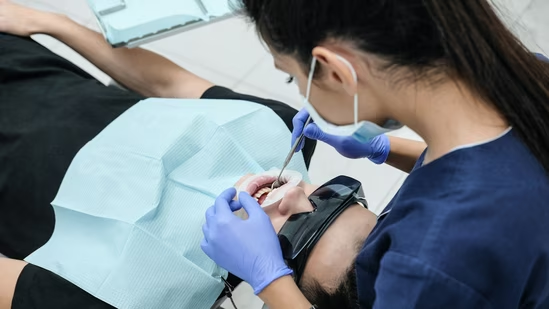
Outcomes can be improved if cancer is detected early. Advanced stages of this disease require chemotherapy, radiation, and complex surgeries. If detected early, it would not require extensive treatment. “It would also improve a person’s survival rate”, says Dr Rao. To look for potential mouth abnormalities, a person should schedule routine dental checkups. One can also look for potential signs themselves by checking for any lumps or unusual patches.
Oral cancer continues to be a silent killer and a public health challenge. The symptoms are often dismissed as benign because they are painless. “One should opt for professional screenings and remain aware of the subtle indicators of this disease”, explains the doctor. It can help prevent late-stage diagnosis and also help treat the condition more effectively. Early signs can act as a differentiator between a chronic disease and a cure.
(Note to readers: This article is for informational purposes only and not a substitute for professional medical advice. Always seek the advice of your doctor with any questions about a medical condition.)