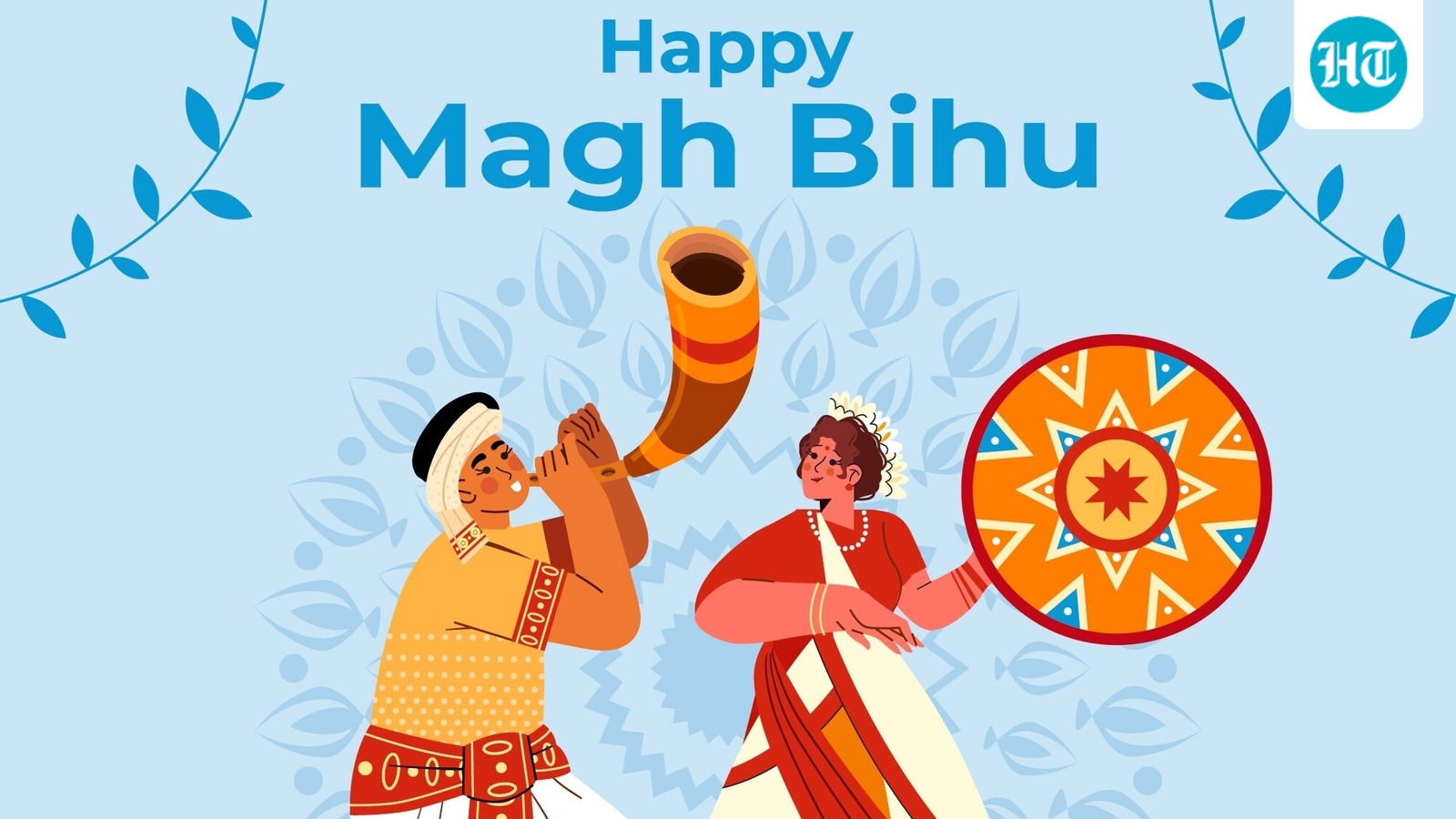
Magh Bihu 2026: Magh Bihu, also called Bhogali Bihu or Maghor Bihu, is among Assam’s most eagerly awaited festivals, celebrated with great enthusiasm to mark the harvest season and the shift into a new year. Observed in the first month of the year as per the Bengali Panjika, the festival is a time to give thanks for a plentiful harvest and honour Assam’s deep-rooted agricultural traditions.
From dates and timings to its history and significance, here’s everything you need to know about this auspicious celebration. (Also read: Lohri 2026 date: When is Lohri? Check date, shubh muhurat, puja samagri, rituals and all about Punjabi harvest festival )
Magh Bihu 2026 date and timings
Magh Bihu is observed in the month of Magh, usually in mid-January, and is celebrated on the last day of the month of Pooh or Pausha. The festival coincides with Makar Sankranti and marks the beginning of the Sun’s Uttarayan journey.
According to Drik Panchang, Magh Bihu will be celebrated this year on Thursday, January 15, while the Sankranti moment will occur at 3:13 pm on January 14.
History and significance of Magh Bihu
Magh Bihu has strong agricultural roots, marking the end of the harvest season and the start of a new cycle of growth. Historically, the festival is believed to date back to around 3500 BC, when ancient communities performed fire rituals to pray for abundant crops.
Also known as Bhogali Bihu, the festival is celebrated across Assam in January. This year, Magh Bihu falls on January 15, while its eve, called Uruka, is observed on January 14. The Dimasa Kacharis, an indigenous community, are regarded as the earliest known celebrators of the festival, laying the foundation of what later evolved into Magh Bihu. The term “Bihu” is believed to come from “Bishu,” meaning to seek peace, while “Bhog” refers to feasting and abundance.
At its heart, Magh Bihu is about togetherness and sharing food with family, friends, and neighbours. Beyond its agricultural significance, the festival holds deep social value, bringing communities closer, strengthening bonds, and celebrating life’s simple joys.
Magh Bihu 2026 rituals
The celebrations begin with a grand feast known as bhog, prepared on the first night of the festival. Young men build temporary thatched-roof huts called bhelaghar, while a meji, a large bonfire made of hay and bamboo, is set up nearby.
Women prepare the festive meal inside the bhelaghar, cooking traditional delicacies such as sunga pitha, til pitha, and coconut laddoos. As night falls, people gather around the meji, spending the evening singing folk songs and performing traditional dances.
At dawn, devotees take a ritual bath before lighting the meji, a symbolic act believed to mark the end of winter. In keeping with Assamese traditions, the festival also includes age-old rituals like tekeli bhonga (pot-breaking) and buffalo combat, along with prayers offered to ancestral deities seeking blessings and prosperity.