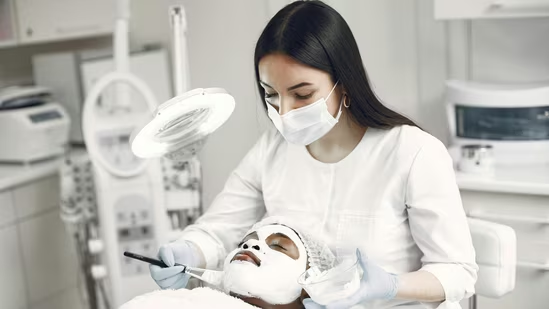
Taking care of your skin sometimes extends beyond the nighttime routine. When the impact is too severe, in-salon or in-clinic treatments might by your only option.
But how do you decide what procedures to get, if your skin is ready for it and when to give the treatments a pause? We asked everything about in-salon skin treatments to Sita Thapa, Beauty Expert at Sinh Salon, Khan Market.
Check out six important things to know before giving your skin that glow.
How often should someone realistically get in-salon skin treatments, and how does this frequency change with age or skin type?
Realistically, most people benefit from an in-salon skin treatment every 4–6 weeks, as this aligns with the skin’s natural renewal cycle. Younger skin or normal skin types may need lighter, maintenance-focused facials every 6–8 weeks, while acne-prone, pigmented, or aging skin often benefits from more regular visits.
As we age, collagen production slows and repair time increases, so treatments may be spaced slightly further apart but be more targeted—focusing on hydration, stimulation, and repair rather than frequent aggressive procedures.
What are the common signs that skin is being over-treated and needs a pause rather than another facial or procedure?
Key signs of over-treatment include:
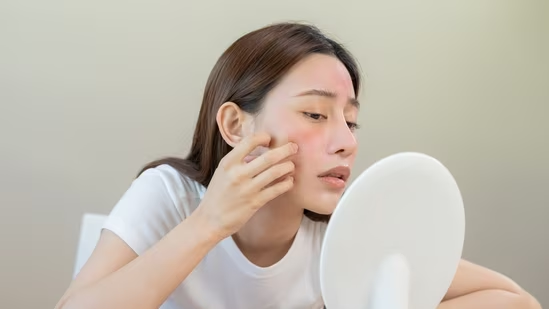
Persistent redness
Burning or stinging sensations
Excessive dryness
Increased sensitivity
Sudden breakouts
A compromised skin barrier
If the skin looks shiny but feels tight, itchy, or reactive, it’s often a signal to pause. Healthy skin should feel calm, balanced, and resilient after treatment—not inflamed or stressed.
At what point should a person move beyond basic facials and consider advanced treatments or procedures—and what factors guide that decision?
Most skin goals can be effectively achieved through consistent, well-planned salon treatments combined with a tailored home-care routine. Guests should consider moving beyond basic facials only when they have specific concerns such as persistent pigmentation, deeper texture issues, or visible signs of aging that require more targeted approaches.
However, it’s important to remember that advanced clinical procedures are not always necessary for every concern, and they do not guarantee results for all skin types. Many guests experience excellent outcomes through a progressive salon treatment plan that focuses on strengthening the skin barrier, improving hydration, and addressing concerns through gentle yet effective techniques.
Can you explain the benefits of popular in-clinic procedures like peels, lasers, or microneedling, and who they are best suited for?
We believe in preserving and strengthening the skin rather than stripping it. While peels, lasers, and microneedling can be beneficial for certain medical or corrective concerns when performed in clinical settings, our philosophy focuses on non-invasive, non-stripping facials that work in harmony with the skin.
These advanced yet gentle treatments improve circulation, hydration, oxygenation, and cellular activity without the use of harsh chemicals or aggressive techniques. They are ideal for guests who prioritize long-term skin health, comfort, and natural radiance, especially those with sensitive or reactive skin.
Are there simple in-clinic assessments or tests that help determine whether skin is truly healthy beneath the surface?
Yes. Skin health can be effectively assessed through detailed consultations, visual examination, and hands-on evaluation. We assess hydration, elasticity, muscle tone, circulation, and how the skin responds during cleansing and massage.
Observing product absorption, congestion levels, and sensitivity provides insight into the skin’s condition beneath the surface, allowing treatments to be customized without stressing or damaging the skin.
How can clients tell the difference between short-term glow and long-term skin health when choosing treatments?
Short-term glow is often immediate brightness or smoothness that fades within a few days, typically achieved through exfoliation or stimulation that may compromise the skin barrier over time.
Long-term skin health is characterized by sustained improvements: resilience, balanced hydration, reduced sensitivity, improved texture, and a natural, consistent radiance that builds progressively.