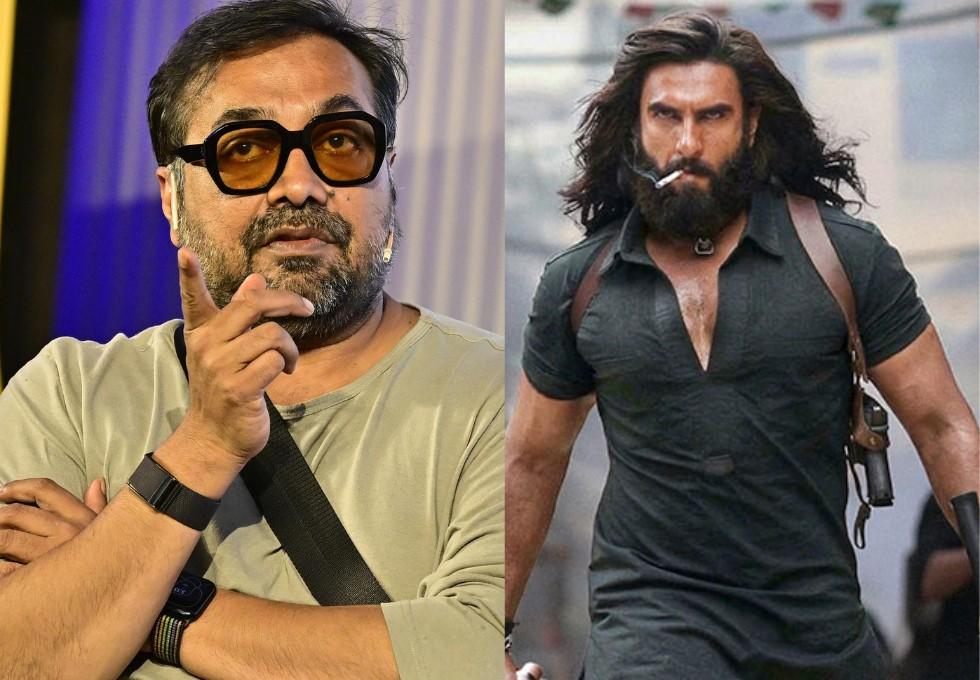
The veteran Indian filmmaker Anurag Kashyap has disclosed his public response to the severe online backlash that film critics encountered after they reviewed the successful movie Dhurandhar, directed by Aditya Dhar. Kashyap told critic Sucharita Tyagi that the extreme online attacks that targeted these reviewers operated through planned coordination because they lacked authentic public support.
What Does ‘Coordinated’ Really Mean?
Kashyap used the term “coordinated” to describe the backlash, which he believed showed that fans did not demonstrate their disagreement through disappointment but instead organized campaigns to silence their opponents. The current digital environment enables fan groups and anonymous users and automated systems to increase their offensive campaigns against others until they become stalking. The presence of identical content across multiple accounts that target reviewers creates doubt about the tactical organization of those campaigns.
The Bollywood industry has experienced this phenomenon before. The current situation of Dhurandhar is showing how fast online discussions progress to their most extreme form. The discourse that follows a review focuses on two aspects, its main arguments and its detailed cinematic content, instead of examining the reviewer’s qualifications.
The Film Critics Guild Steps In
The Film Critics Guild issued a statement that condemned the harassment that reviewers faced because of the ongoing controversy. The Guild stated that criticism functions as a fundamental component of the creative process while they protect reviewers from any form of violence that could occur during their professional duties. Kashyap publicly supported this stance because he believed that creative industries develop through open discussion instead of using fear as a means of control. Such institutional responses indicate that the issue has grown beyond isolated trolling incidents. When professional bodies feel compelled to intervene, it signals a broader problem affecting the safety and independence of cultural commentary in India’s entertainment landscape.
Anurag, who previously praised the movie while he criticized its political aspects, described the public response to the movie as an organized campaign instead of an unplanned public reaction. He explained that actual attacks occur through planning because genuine public reactions include different reactions, yet the film received something else. According to him, organized groups are paid to carry out these targeted campaigns, adding that he personally knows of operations where hundreds of people are employed solely to post coordinated reactions online.
The Chilling Effect on Film Discourse
The issue at hand constitutes a larger problem that extends beyond a single movie. The combination of online attacks creates a chilling effect, which prevents critics from sharing their true thoughts. Hostile reactions to reviews that lack counterarguments restrict the possibilities for detailed discussions. This environment eventually results in self-censorship through which critics will avoid expressing their strong opinions to escape potential backlash. This situation creates effects that impact audiences directly. Film criticism exists as the fundamental force that develops cinematic literacy by teaching viewers to analyze storytelling and political themes and representation and production techniques. The artistic value of cinema diminishes when people reduce discussions to two opposing groups who either support or hate the film.
A Larger Reflection on Digital Culture
The Dhurandhar controversy shows how digital culture treats people who express outrage as more valuable than those who engage in substantial conversations since online users create their first opinions through watching short video clips and using screen captures instead of watching complete content. The statements made by Kashyap initiate a vital discussion about two topics, which include the need for online accountability and the obligations that come from being a fan of someone.