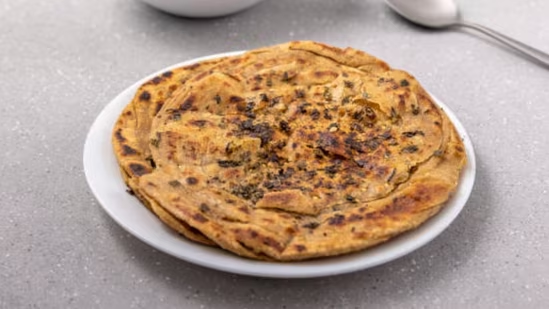
Kalonji, also known as nigella seeds, has been turning up in Indian and Middle Eastern kitchens for centuries. Sprinkle some on a paratha, and it will make it delicious and healthy. Kalonji’s has an earthy flavour that pairs really well with whole wheat. Historically, people added it to rotis and breads because after cooking or baking it, it has a much more delicious taste.
Kalonji has been used in various ancient food and wellness books as a seed. It has a lot of benefits and is great to eat a little bit regularly. Making it perfect for breakfasts like parathas that can be eaten regularly. A healthy kalonji paratha is really great for the immune system, because of the natural compounds in the seeds that help your body defend itself.
Kalonji is also great for your digestive system, helping your stomach with digestion and other benefits. When paired with whole wheat parathas, it’s a real good for your energy levels too, giving you a steady dose of fibre that keeps you going all morning.
Making it with minimal oil gives you a nutritious and fulfilling breakfast. It goes well with yoghurt, or some veggies, and suits everyone from grown-ups to kids. The beauty of a healthy kalonji paratha is that it shows how small changes to your ingredients can actually make a real difference to your daily meals.
How To Make Healthy Kalonji Paratha For Breakfast To Boost Your Immunity
Kalonji paratha is a simple breakfast that can be found in every Indian kitchen throughout the day. A paratha made with whole wheat flour and kalonji makes a rather delicious meal, which keeps your gut in check without any of the issues.
Ingredients
- 1 cup of Whole wheat flour
- 1 tsp kalonji seeds
- Pinch of salt
- Water
- Oil or ghee
Instructions
- Add flour, kalonji and salt in a bowl.
- Mix the dry ingredients so they’re evenly spread out.
- Add water little by little and start kneading it all into a soft dough.
- Cover it up and rest it for 10 minutes.
- Divide the dough into 4 balls.
- Flatten and roll the balls into a thin circle.
- Heat the tawa on medium heat.
- Place the paratha on tawa and let it cook.
- Flip it and cook the other side, use some oil or ghee.
- Once done serve with curd or achar.
Oil-Free Cooking Tips for a Healthy Kalonji Paratha
Use a well-heated tawa
Heat the tawa properly before placing the paratha. A hot surface helps it cook evenly without sticking.
Knead soft but firm dough
A soft dough ensures the paratha stays flexible and cooks well without needing oil.
Roll evenly, not too thick
Even thickness helps the paratha cook from the inside without burning the surface.
Dry roast on a medium flame
Cook over medium heat and flip at the right time to avoid dryness, keeping it oil-free.
Press gently while cooking
Light pressing helps steam build inside the paratha, allowing it to puff slightly without oil.
FAQs
- Can kalonji paratha be made completely without oil?
Yes, it can be dry-roasted on a well-heated non-stick or cast-iron tawa without oil.
2. Is kalonji safe for daily consumption?
Yes, kalonji can be consumed daily in small quantities as part of regular meals.
3. Does cooking reduce the benefits of kalonji?
Gentle cooking like paratha preparation retains most of kalonji’s natural properties and flavour.