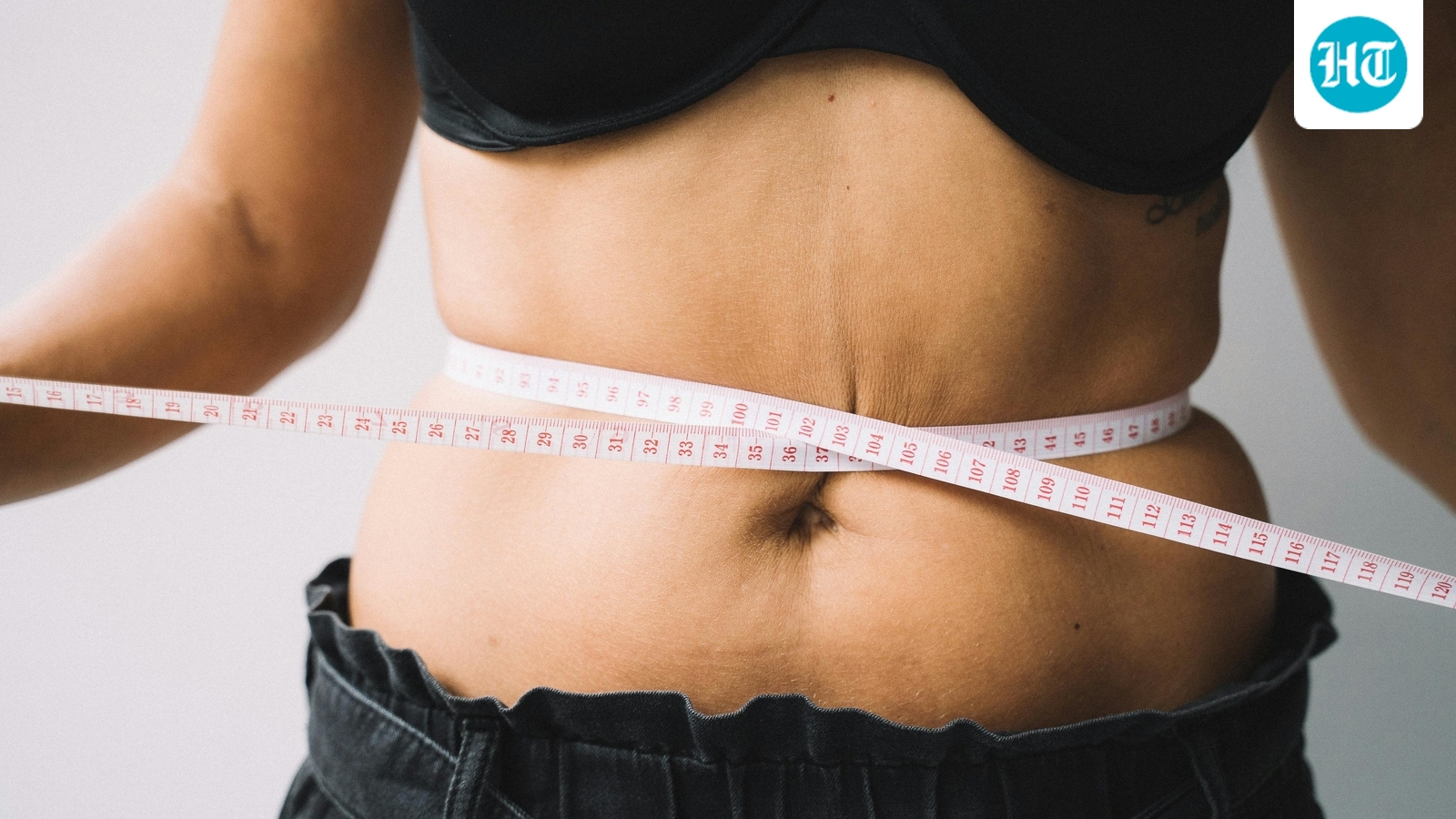
The popularity of Ozempic as a weight loss drug has been through the roof over the last couple of years. It has helped many well-known faces across the world achieve miraculous weight loss in a very short amount of time.
While Ozempic is the name of the brand, the drug itself is called GLP-1, or GLP-1 agonists. It is short for glucagon-like peptide-1 receptor agonists, which, according to Harvard Health, mimic the GLP-1 hormone that is naturally released in the oesophagus upon eating.
Also Read | Do clarifying shampoos do more harm than good to your hair? Here’s what an expert says
GLP-1 triggers the release of insulin from the pancreas, which helps to transport glucose out of the bloodstream and into the cells for nourishment and energy. The weight loss comes primarily from the drug’s reaction in the brain, reducing hunger, and in the stomach, delaying its emptying.
However, there has been an increasing concern about the effects of GLP-1 drugs being temporary, with individuals claiming that they have regained the lost weight soon after letting go of the medication. Taking to Instagram on January 12, Dr Karan Rajan, a UK-based surgeon and health content creator, explained the phenomenon.
Gaining weight after stopping GLP-1 drugs
According to Dr Rajan, many individuals have regained weight that they had lost with the help of GLP-1 drugs after they stopped taking the medication.
“An analysis of over 9000 people showed that those who stopped newer GLP-1s regained weight at about 0.8 kilos or 1.8 pounds per month,” he observed. “On average, (they) returned to baseline weight in around 1.5 years.”
However, the doctor does not believe the weight gain to be a failure of the drugs. He argued that GLP-1s function exactly as they were designed, and the regain of weight simply “reflects the nature of obesity as a chronic, relapsing condition.”
What about long-term weight management?
Dr Rajan describes the popularity of GLP-1s for weight loss as “a cautionary tale” for not having a more comprehensive approach to weight management.
“When you remove the signal provided by a GLP-1, biology reverts to default settings. And obesity biology is powerful,” he stated. “The uncomfortable truth you need to know is that GLP-1s aren’t cures. They don’t magically fix weight loss. They simply act as blood pressure pills or statins. If you stop the medication, you lose the effect.”
If a person taking GLP-1 drugs wishes to change their long-term health trajectory without being forever dependent on it, lifestyle changes are a must. This includes taking care of “muscle mass, behaviour, sleep, fibre, protein, stress, and insulin sensitivity,” shared Dr Rajan.
However, when it comes to the question of whether GLP-1 drugs need to be taken forever, Dr Rajan explains, “Think of it like eczema. Some people can just avoid eczema triggers and manage fine without any medication. Some people might need occasional reliever creams to deal with their eczema. And some people might need daily medication forever. GLP-1s follow the same logic.”
Note to readers: This article is for informational purposes only and not a substitute for professional medical advice. Always seek the advice of your doctor with any questions about a medical condition.
This report is based on user-generated content from social media. HT.com has not independently verified the claims and does not endorse them.