A severe bout of nostalgia is spreading in America, but it’s not for the postwar prosperity of the 1950s or the big hair and bright colors of the 80s.
Young adults are yearning for the simple days of 2016.
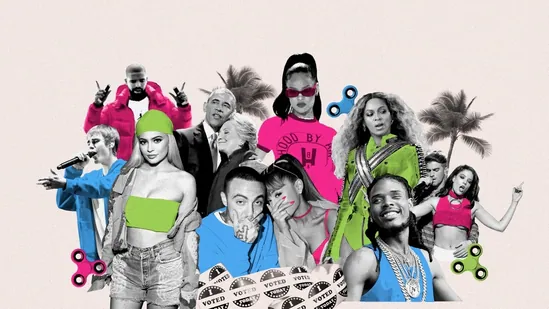
For weeks, social-media feeds have been littered with decade-old images of matte makeup, Snapchat filters and skinny jeans. The internet obsession is spilling into real life: The top musical artists of that year are enjoying a new surge in popularity and clubs are hosting parties full of people wearing choker necklaces and dancing to Drake and Rihanna.
“2016 was pure magic,” reads one social-media post that got 1.2 million views on TikTok and a flood of comments from people who claim the air was different and they never felt more alive.
“It was such a wonderful time,” said Jackie Tantimonaco, a 28-year-old social-media consultant who was a freshman in college back then. She posted the “pure magic” message last month with a video of herself listening to a 2016-era song called “Middle.”
“I feel really lucky to have been coming of age in such an iconic moment,” she said.
How did we get here?
For some time, 2016 has loomed large in the zeitgeist of “zillennials”—younger millennials and older Gen Zers born around the 1996 cutoff. In one post from last spring, an X user tagged an image of a lush meadow on a sunny day with, “How the worst day in 2016 used to look like.”
But in the past few weeks, the collective nostalgia has been off the charts. On Spotify, the number of user-generated 2016 playlists surged nearly 800% in the first two weeks of January. Celebrities like Dua Lipa and Lena Dunham have posted wistful, washed-out pictures celebrating the decennial. Olive Garden called the year as “iconic” as its breadsticks.
Joni Raphaella, the booker and curator at Market Hotel in Brooklyn, N.Y., said she had a feeling 2016 would come back around.
“It seems like 10 years is the sweet spot for nostalgia for music,” Raphaella said, adding that the year had a “very specific sound.” The nightclub and music venue hosted its first 2016-themed night in November.
“It’s 2016 again and the air smells like sunscreen, snapchat filters and heavy makeup. Come (one) dance with us,” the event description reads, referencing the Drake hit “One Dance” from that year. The event sold out.
Market Hotel organized a similar event around New Year’s that sold out again. About 500 clubgoers crowded under the neon lights to dance to hits like “Closer” by The Chainsmokers and Halsey.
Some think the nostalgia stems from a shift in the past decade to a darker period of online life, and that celebrating 2016 brings people back to a less dystopian era of the internet.
“There’s such a fatigue with screens, algorithms and micro-trends,” said Casey Lewis, the author of “After School”, a newsletter focused on youth consumer trends. “There’s a yearning for what many people remember as a slower pace.”
Caitlin Begg, a sociologist and founder of the applied research lab Authentic Social, pegged what she called “the end of the early internet age” to a specific event in 2016: the launch of Instagram stories, which let users post photos that vanish after 24 hours.
It moved social media’s focus from what you did to what you’re doing, Begg said, ultimately leading to the more performative and more taxing relationship many young people have with their online selves today.
“We are craving a time when social media was more for connection than projection,” Begg said.
Other Gen Zers point to the election of Donald Trump to explain the 2016 vibe shift. Oz Frankel, a professor at the New School for Social Research, said it’s possible but difficult to prove.
“It’s tempting to think this is about Trump,” said Frankel, who teaches a course called “Donald Trump as History.” But this isn’t the first example of a cultural “nostalgia for nostalgia,” he added, or the first time newer generations have rushed to commemorate the still-recent past.
“Part of it is that we have lost some hope of the future—that’s true of the right and the left,” Frankel said. “There’s some consolation in looking back.”
Many armchair historians have pointed out that 2016 wasn’t the blissful stretch of utopia that social media is making it out to be. After all, this was the year that brought Brexit, the Zika virus outbreak and the deaths of David Bowie, George Michael and Prince.
Still, the magic of 2016 feels permanently potent to some. Tantimonaco, the social-media consultant, has been listening to a lot of music from that year.
A few months ago, she relocated from her home state of Rhode Island to California, a move that mirrors one she made a decade ago for her freshman year at the University of Arizona. “I’m channeling my 2016 self in 2026,” she said.
Her playlist includes hits from Justin Bieber and Calvin Harris, alongside other upbeat tracks that remind her of what it felt like to be 18 and fearless. Ten years later, she still gets a little emotional when she hits play.
“Everything felt possible,” Tantimonaco said. “Now I think a lot of us feel doomed.”
Write to Hannah Erin Lang at hannaherin.lang@wsj.com