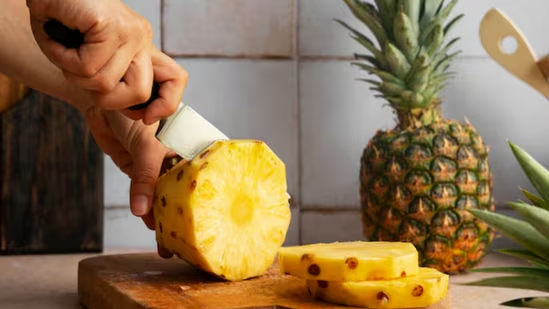
Motherhood is one of the sweetest phases in a woman’s life and is widely celebrated. However, after delivery, many women experience physical changes such as wider hips, larger feet, and temporary concerns like hair loss, vaginal discharge (lochia), constipation, and skin or stretch marks. For women dealing with post-pregnancy weight, focusing on the right foods is non-negotiable. One of the many healthy weight loss foods is pineapple.
According to the National Library of Medicine, pineapple is a favorable fruit for weight loss due to its high amount of bromelain. However, it should be consumed with caution. Dr Mansi Sharma, Consultant—Obstetrician and Gynaecologist, Motherhood Hospitals, tells Health Shots, “Pineapple is known to be low in calories and high in fibre, which can help to manage weight and keep you full for a long time. It also contains bromelain, an enzyme that may aid digestion and reduce inflammation, and support your metabolic health. Including pineapple as part of a balanced diet can help to keep your weight in control and stay healthy after pregnancy.”
Post-pregnancy weight loss
There is always a debate on whether to focus on losing weight after pregnancy or maintaining a healthy body through proper nutritional intake. This makes it critical to pay special attention to the weight loss approach after delivery because it can affect energy levels, hormones, and overall recovery, according to an expert.
Does pineapple burn fat?
Dietitian and diabetes educator Dr Archana Batra says pineapple does not directly burn body fat. It helps to manage weight due to its low calorie content, high water percentage, and the presence of an enzyme called bromelain. While these factors may help with digestion and satiety, fat loss ultimately depends on overall calorie balance, hormonal health, sleep quality, and activity levels—particularly after pregnancy.
How does it work?
Pineapple is rich in fibre, vitamin C, and bromelain. Fibre helps promote fullness and may reduce unnecessary snacking, which can indirectly support weight management. Bromelain aids protein digestion and may help reduce bloating and water retention, making the stomach feel flatter. Additionally, its natural sweetness can help curb cravings for processed desserts. However, these effects support healthy eating habits rather than causing actual fat loss, says the dietitian.
Tips for new mothers
Since pineapple is rich in fibre, vitamin C, and bromelain, it reduces unnecessary snacking, which helps in managing weight. Pineapple is acidic in nature. So when eaten in excess or on an empty stomach, it may cause acidity or digestive discomfort. For breastfeeding mothers, moderation is key, as excess consumption may sometimes lead to gastric discomfort in infants. Balanced meals with adequate protein, healthy fats, and complex carbohydrates are far more important than relying on any single fruit, says Gynaecologist.
How to include pineapple in a routine?
Pineapple can be safely included as part of a balanced postpartum diet. It works best when paired with protein or healthy fats to prevent blood sugar spikes. Adding a few cubes to curd, blending it into a smoothie with seeds, or consuming it as part of a fruit bowl after meals are practical options. Portion control is essential—one small bowl a day is sufficient. Consistency in overall nutrition, gentle movement, and adequate rest will always matter more than any “fat-burning” food.
(Note to readers: This article is for informational purposes only and not a substitute for professional medical advice. Always seek the advice of your doctor with any questions about a medical condition.)