Fatty liver disease often develops quietly, with few obvious symptoms until significant damage has already set in – prompting many people to look for ways to support liver health before it worsens. While quick “detox” fixes are everywhere online, experts stress that reversing liver stress is more about consistent, evidence-backed habits than extreme cleanses. Interestingly, one everyday drink – often dismissed or misunderstood – has emerged as a simple, natural ally for liver health, with research suggesting it may help reduce fat buildup, inflammation and long-term damage when consumed the right way.
Also Read | Canadian doctor warns South Asians with fatty liver make these 3 mistakes daily: Late-night eating, endless cardio
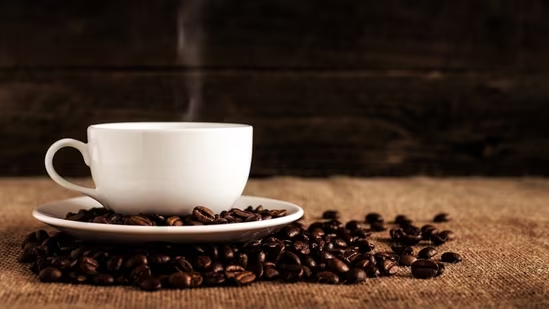
Nikita Bardia, a Kolkata-based dietician, health and fitness coach with 10 years of experience, has shared one drink that may help improve or even reverse fatty liver disease by reducing inflammation, oxidative stress and liver scarring. In an Instagram video shared on January 22, the dietician states, “One drink your liver actually likes – and no, it’s not a detox green juice. It’s black coffee. Actual black coffee.”
Black coffee and fatty liver
Nikita outlines the following four ways black coffee can benefit the liver and reverse fatty liver disease:
Reduces liver fat accumulation
According to the dietician, coffee helps with insulin sensitivity, thus reducing fat accumulation in the liver. She highlights, “Coffee improves insulin sensitivity, so less fat gets stored in the liver. People who drink coffee regularly show lower liver fat on imaging.”
Anti-inflammatory and antioxidant effect
Black coffee contains bioactive compounds that help reduce inflammation and oxidative stress – two key drivers in the development and progression of fatty liver disease. Nikita explains, “Compounds like chlorogenic acid and polyphenols reduce liver inflammation and oxidative stress. This is crucial because inflammation drives progression from fatty liver to NASH to fibrosis.”
Slows fibrosis
Nikita highlights that coffee may help slow the progression of liver scarring, offering potential benefits even for people who already have fatty liver disease. She points out, “Multiple studies show coffee drinkers have less liver fibrosis, even in people with existing fatty liver. This benefit is seen independent of weight loss.”
Improves liver enzymes
According to the dietician, regular consumption of black coffee has been linked to improved liver enzyme levels and may help reduce overall liver stress. She states, “Regular black coffee intake is linked with lower ALT and AST, markers of liver stress.”
Intake recommendations
Daily intake
Nikita recommends limiting intake to two to three cups of black coffee a day, a range that has shown the most consistent protective benefits. While some studies note advantages with up to four cups daily, consuming more than that may be counterproductive, potentially disrupting sleep, cortisol levels and gut health.
She adds that coffee is best consumed after meals or in the mid-morning, and should be avoided later in the evening, as poor sleep can further aggravate fatty liver disease.
Ditch the sugar and creamers
The dietician also emphasises that the benefits apply specifically to plain black coffee – without added sugar, creamers or flavoured syrups – warning that these additions can negate the effects and may worsen insulin resistance. She warns that the following mistakes can turn coffee into a sugar delivery system:
- Sugar-loaded coffee
- Flavoured creamers
- Dessert coffees
- Coffee as a meal replacement
- Coffee without nutrition
Nikita emphasises that coffee cannot reverse fatty liver if you keep repeating the following habits, highlighting that it is a supportive tool, not a cure:
- Diet is high in sugar or refined carbs
- Alcohol intake is regular
- Sleep and activity are poor
Note to readers: This article is for informational purposes only and not a substitute for professional medical advice. It is based on user-generated content from social media. HT.com has not independently verified the claims and does not endorse them.