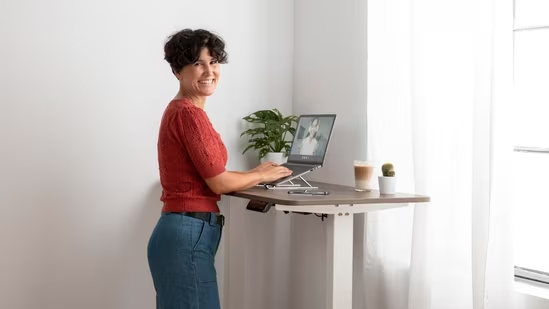
In major health discourses, sitting has been called out time and again. Prolonged sitting is a hallmark of a sedentary lifestyle. Recently, a Lancet study published on January 13, 2026, shed light on how reducing sitting by just 30 minutes a day could increase longevity, likely cutting premature death risks by 10 per cent. Another study published on February 11, 2025, established the direct correlation of reduced physical exercise and sedentary behaviour, like continuous sitting, with cardiovascular disease risks.
ALSO READ: Long hours of desk sitting are fueling serious and chronic diseases in employees in their 30s and 40s: Report
There’s a long list of comorbidities associated with continuous sitting. From any perspective, this sedentary behaviour takes a serious toll on your health. And where does the lion’s share of sitting actually take place? Mostly at work, where you are deskbound for several hours.
In response, more and more people are choosing to stand while working, andeven workplaces are introducing standing desks to counter the effects of prolonged sitting. But is standing all day really better? Does it pose any repercussions for your health? Oftentimes, in an attempt to escape one extreme, there’s a tendency to swing to the other extreme. Finding the right balance is the way forward.
HT Lifestyle spoke to Dr Ashish Dhadas, consultant general surgeon and phlebologist at SVV Hospital, Dombivali, to understand what standing all day can do to you.
Risks of standing all day
Some of the common complaints associated with standing for prolonged hours, according to Dr Dhadas, include leg pain, heaviness, cramps, and swelling, especially toward the end of the day. While these may seem like regular fatigue, Dr Dhadas explained that they can actually point to underlying health issues.
He elaborated, “Prolonged standing increases pressure within the leg veins, which are responsible for carrying blood back to the heart against gravity. When the leg muscles remain inactive, blood tends to pool in the lower limbs, leading to ankle swelling, heaviness, and discomfort.”
He also cautioned that if these symptoms occur regularly and improve only with rest or leg elevation, they may suggest poor venous circulation. Varicose veins are also among the other causes which cause cramps and pain.
But not all leg pain is caused by varicose veins. The surgeon stated, “In the absence of visible veins, symptoms may arise from excessive physical stress, prolonged static posture, muscle overuse, or nutritional deficiencies such as low calcium or vitamin D levels. ”
How to stay safe?
So if you are standing for a long period, how can you ensure it is safe? Dr Dhadas explained that regular movement plays a crucial role in reducing leg symptoms.
He recommended, “Taking short breaks every 30–40 minutes, activating the calf muscle pump, and performing. Simple movements like walking, stretching, or heel raises can significantly improve blood circulation. Even small, frequent exercises help reduce venous pressure and ease discomfort.”
The surgeon assured that while leg pain after long hours of standing is usually harmless, sometimes standing for too long can lead to vascular circulation problems, making regular movement in between crucial to avoid long-term complications.
Note to readers: This article is for informational purposes only and not a substitute for professional medical advice. Always seek the advice of your doctor with any questions about a medical condition.