With the arguments surrounding nationalism and cinema getting more heated, movies that try to depict the war or conflict in a fair or humane manner are usually criticized. The religious war drama Ikkis, which tells the story of a man’s life during the conflict, was recently attacked online for not showing Pakistan or its army in a bad light. The criticism was acknowledged by veteran actress Suhasini Mulay, who gave an honest opinion about the developing situation where the storytelling is becoming more and more black-and-white and the demand for politically correct narratives in commercial cinema is rising.
Suhasini Mulay on the Backlash Against Ikkis
Suhasini Mulay, a veteran actress, has pointed out and commented upon the negative criticism and trolling that the movie Ikkis received due to its decision not to depict Pakistan or Pakistani soldiers as the pure villains. In a conversation at the Gauhati Press Club, Mulay mentioned that the film’s writer was prepared for the reactions and that the reason for the resistance was the same: that contemporary audiences are often very rigid about the way in which the war narratives should be told and not politically charged and through the use of templates. Mulay remarked that Ikkis was opposed to showing the “enemy” as people with feelings instead of monsters, and this was a creative choice that was not very much appreciated by all the internet activists. Moreover, it is a question that touches both mind and body. Besides, the gigantic matter of ‘otherization’ of native peoples and minorities is being raised, not only Muslims but all minorities,” she concluded.
A Subtle Jibe at The Kashmir Files
Through her interaction, Mulay seemingly directed a harsh criticism towards The Kashmir Files, implying that films with a more forceful political stance usually enjoy the backing of the institutions and the audience. She said that the movies that resonate with the prevailing narratives are sometimes rewarded, pointing out the case of The Kashmir Files getting tax exemptions in different states. Her remark brought forth a bigger controversy in the Indian film industry about whether movies are being evaluated mainly on the basis of their political stance rather than on the grounds of artistic or narrative intent.
Cinema, Violence, and Political Messaging
Mulay voiced her worry about the rising acceptance of violence and polarization in mainstream movies, saying, “If we take the examples of the so-called art films made by the West, the Christian persecution-related, anti-attack stories, or, for that matter, the head-chopping of the evil ones by the good ones, will they not only think audiences in such a way but also, worse, attach the storm these conflicts create to the division and anger existing?” For her, film should be a medium displaying complexity, compassion, and moral dilemmas instead of mere good and evil battles. She marked that when storytelling favors political talking points over emotional truth and human experience, it becomes shallow.
About Ikkis and Its Creative Choices
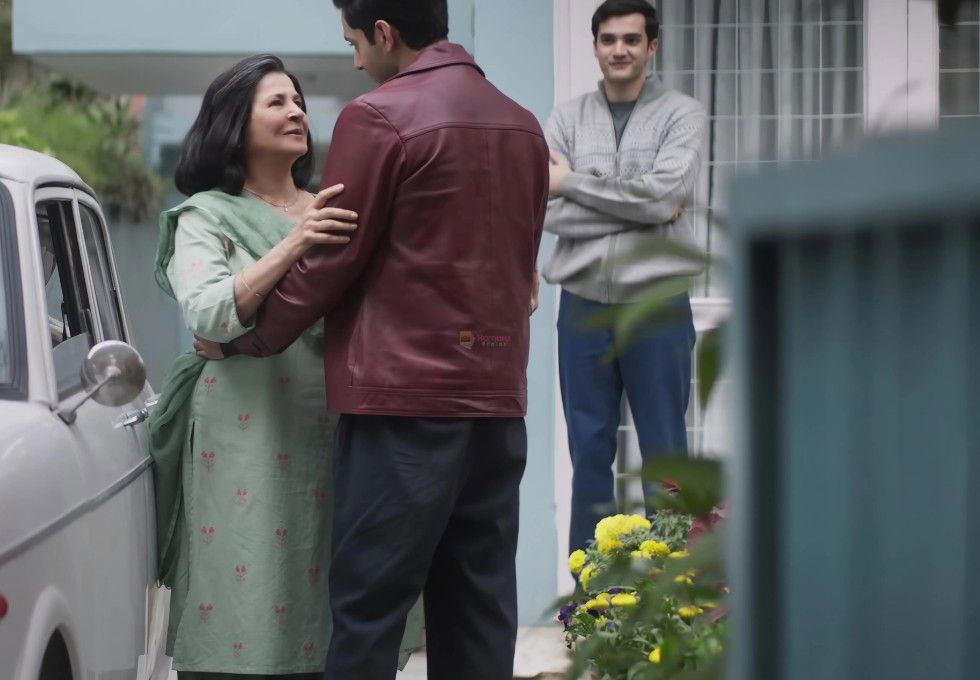
Sriram Raghavan’s direction leads to the creation of Ikkis, which is a biographic war drama depicting the life of Second Lieutenant Arun Khetarpal, one of the youngest recipients of the Param Vir Chakra Award in India. The character of the protagonist is played by Agastya Nanda, and the movie also shows veteran actor Dharmendra’s last appearance on screen. Ikkis, unlike typical war movies, maintains an understated and gentle approach, showing the valor, destruction, and mental suffering caused by war but not through overt nationalism.
Reception, Criticism, and Industry Response
The movie Ikkis received a lot of credit from critics and a part of the film industry for its subtle approach; however, it did not attract many viewers at the box office. On the other hand, online bullying again set off the discussion around artistic freedom, viewer demands, and the increasing involvement of politics in film. Mulay’s remarks have furthered this argument, highlighting the difficulties that directors go through when they want to narrate unbiased stories in today’s society, which is highly divided.