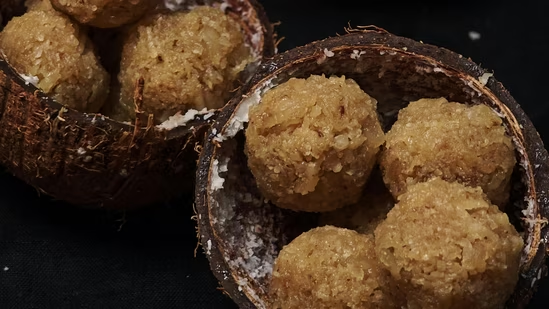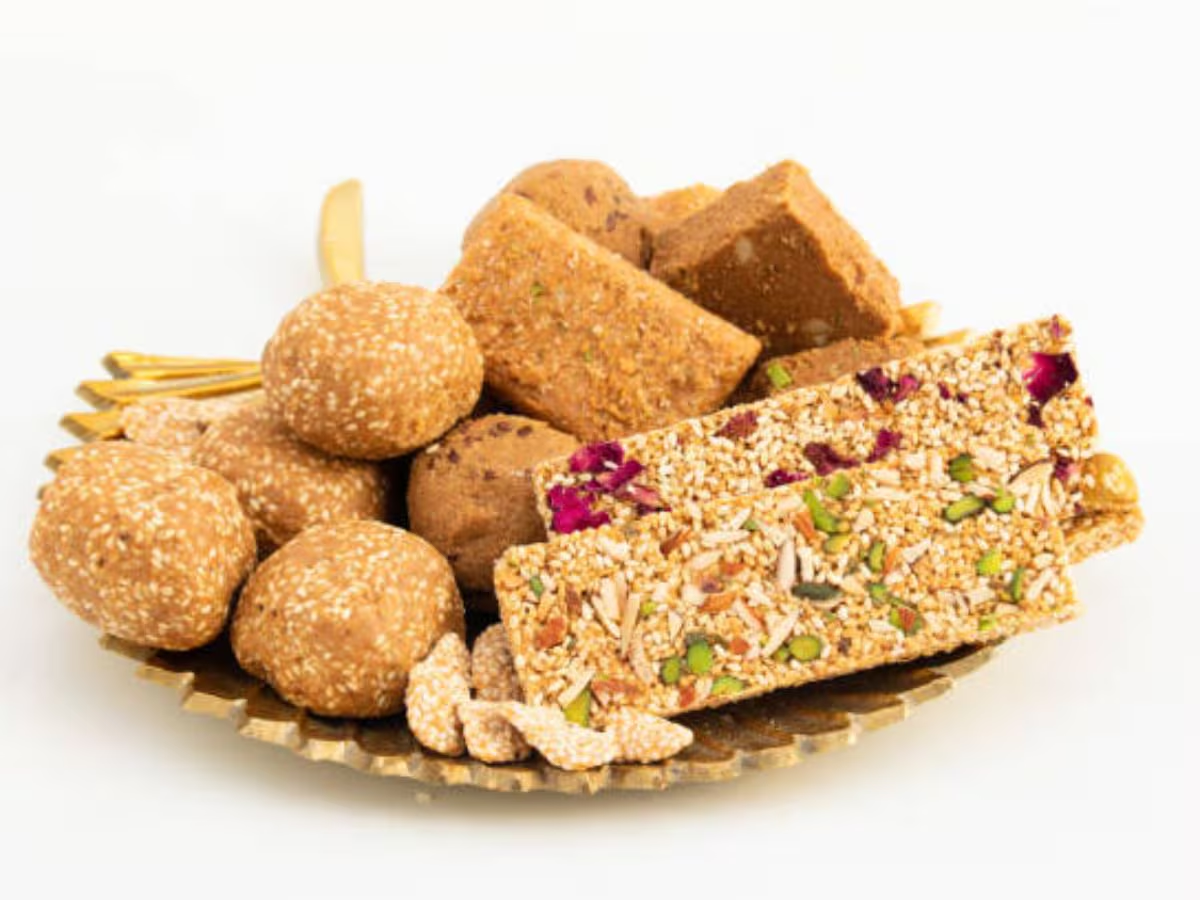
Makar Sankranti marks a seasonal shift that has long influenced food choices in Indian households. The tradition of eating til (sesame seeds) with gur (jaggery) during this festival is closely linked to the body’s response to winter. This pairing is not only cultural but also rooted in everyday nutrition, especially the role sesame seeds play in supporting the body during colder months.
Sesame seeds are among the oldest oilseeds known to humans, cultivated in the Indian subcontinent for over 5,000 years. Ancient food practices valued sesame for its ability to provide strength and sustain energy. During winter, digestion slows and the body needs foods that digest steadily while offering warmth and nourishment. Sesame seeds fit naturally into this requirement.
One of the key reasons til is central to Makar Sankranti foods is its protein content. Sesame seeds provide plant-based protein that supports muscle repair, energy levels, and overall body strength. Protein becomes especially important in winter, as the body uses more energy to maintain warmth. Unlike refined foods, sesame provides protein along with healthy fats, making it useful not just seasonally but year-round.
Gur complements sesame by adding natural carbohydrates and minerals. Together, they form foods like til laddoos and chikkis that are easy to store and eat in small portions. This balance helps prevent sudden energy drops while keeping meals satisfying. The combination also supports bone health due to minerals like calcium and magnesium present in sesame seeds.
Eating til and gur during Makar Sankranti reflects a practical understanding of seasonal nutrition. Sesame seeds continue to benefit the body year-round, supporting protein intake, digestion, and strength. This tradition shows how simple foods, chosen wisely, can support health through changing seasons without relying on complex preparation or modern supplements.
3 Traditional Til and Gur Dishes to Make on Makar Sankranti
Til Gur Ladoo
Winter festivals often highlight foods that are easy to store and eat in small portions. Til gur ladoo is one such Sankranti sweet, made with roasted sesame seeds and jaggery. It suits cold days by providing protein, healthy fats, and steady energy through simple ingredients.
Ingredients (Makes 10 ladoos):
- White sesame seeds (til) – 1 cup
- Jaggery (grated) – ¾ cup
- Ghee – 1 tablespoon
- Cardamom powder – ¼ teaspoon
Instructions:
- Dry-roast sesame seeds over a low flame until aromatic.
- Heat the ghee in a pan and add jaggery.
- Stir until the jaggery melts completely.
- Add roasted sesame seeds and cardamom powder.
- Mix well and switch off the heat.
- Shape into small ladoos while warm.
Til Chikki
Til chikki is a flat sesame and jaggery sweet prepared during winter festivals for its long shelf life. Easy to pack and share, it delivers plant protein and natural sweetness, making it suitable for Sankranti celebrations and daily winter snacking.
Ingredients (Makes 12 pieces):
- Sesame seeds – 1 cup
- Jaggery (crushed) – ¾ cup
- Ghee – 1 teaspoon
Instructions:
- Dry roast sesame seeds until lightly toasted.
- Heat jaggery with ghee on a low flame.
- Stir until the jaggery melts and thickens slightly.
- Add roasted sesame seeds and mix quickly.
- Spread the mixture on a greased plate.
- Flatten evenly and cut into pieces while warm.
Til Gul Poli
Til gul poli is a traditional Maharashtrian Sankranti sweet made by stuffing soft flatbreads with a sesame and jaggery filling. This dish works well during winter as it combines carbohydrates, protein, and healthy fats in a filling, festive meal.
Ingredients (Makes 6 polis):
For the dough:
- Whole wheat flour – 1 cup
- Water – as needed
- Ghee – 1 teaspoon
For the filling:
- Sesame seeds – ½ cup
- Jaggery (grated) – ½ cup
- Cardamom powder – ¼ teaspoon
Instructions:
- Knead flour with water and ghee into a soft dough.
- Dry-roast sesame seeds and grind coarsely.
- Mix sesame with jaggery and cardamom.
- Divide the dough and filling into equal portions.
- Stuff filling into dough balls and roll gently.
- Cook on a hot tawa until done on both sides.
FAQs
- Why are til and gur eaten together during Makar Sankranti?
Sesame provides protein and healthy fats, while jaggery adds energy, making the combination ideal for winter nutrition.
2. Are sesame seeds beneficial beyond the winter season?
Yes, sesame seeds support protein intake, bone health, and digestion throughout the year.
3. Can til and gur be eaten daily in small amounts?
Yes, small portions can be consumed regularly as part of a balanced diet.