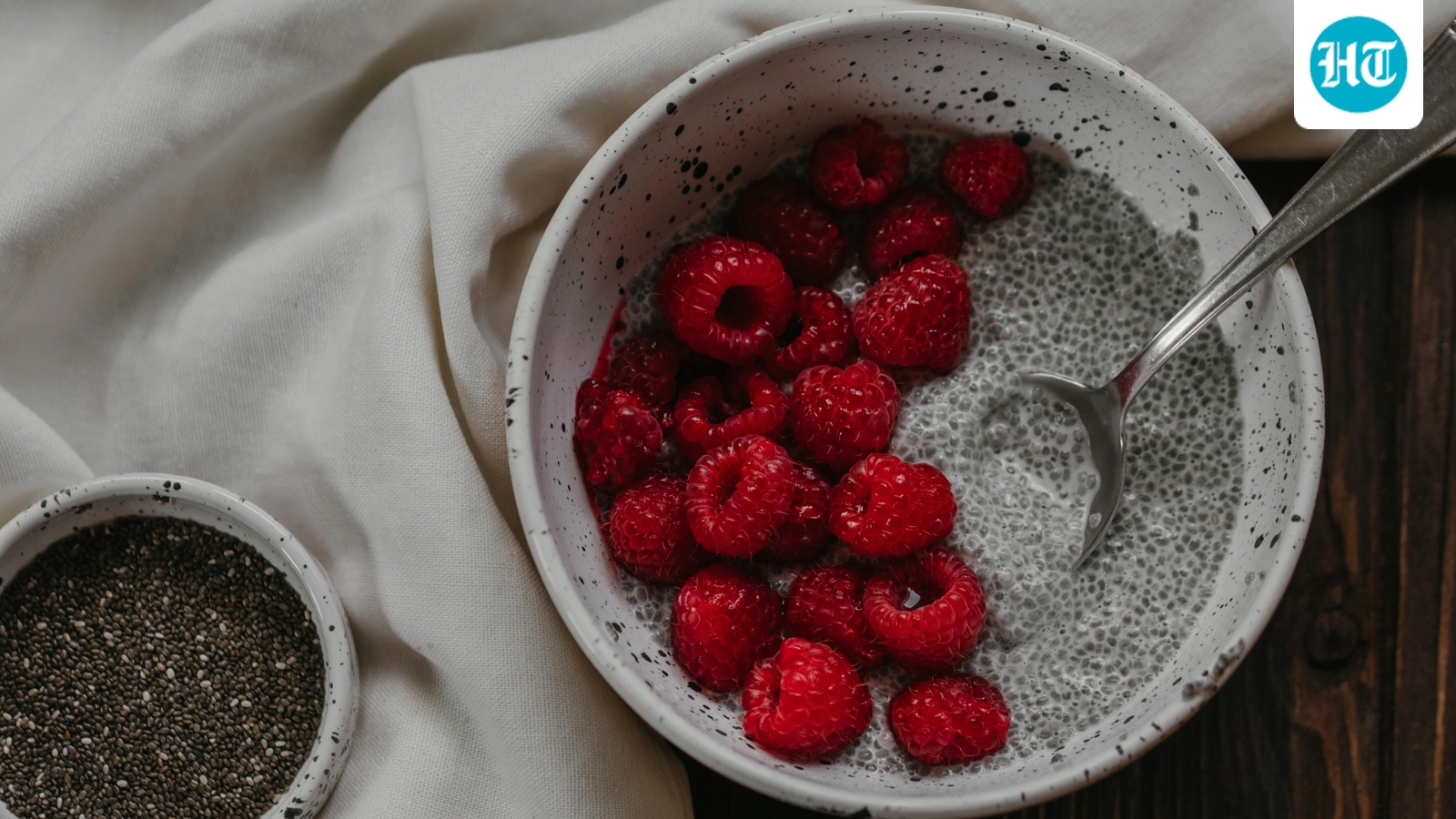
Derived from the Salvia hispanica plant native to Central America, chia seeds are small, black and white seeds that have been consumed by humans for thousands of years. In recent years, it has become popular as a ‘superfood’ owing to its many health benefits.
Also Read | AIIMS-trained gastroenterologist answers 13 questions about drinking tea: Effects on health, how much to drink, and more
According to Harvard Health, chia seeds are packed with nutrients such as fibre, protein, omega-3 fatty acids, antioxidants, and various vitamins and minerals, and improve our health by:
- Reducing blood pressure
- Lowering cholesterol levels
- Supporting digestive health
- Aiding in weight management
- Reducing inflammation
- Helping to control diabetes
- Protecting against chronic disease
- Improving anxiety and depression
However, not every individual can reap the same benefit from the substance, according to Dr Shubham Vatsya, gastroenterologist and hepatologist at Fortis Hospital, Vasant Kunj, Delhi. Taking to Instagram on January 11, he shared four cases in which the intake of chia can have detrimental effects.
1. Individuals with low blood pressure
Some individuals, often women, have low blood pressure (BP), noted Dr Vatsya. Chia seeds are rich in potassium and Omega-3 fatty acids, which further reduce BP, increasing the chronic condition.
2. Individuals with thinner blood
“Chia seeds are very good for people with thick blood,” observed Dr Vatsya. For people who take aspirin, or who have a stent in their heart and are already on blood thinners, chia seeds increase the risk of bleeding.
3. Individuals who are not well-hydrated
Chia seeds are loaded with fibre. If an individual is not well-hydrated, the intake of chia seeds will increase gas, bloating, and constipation- conditions that are linked with dehydration itself.
4. Individuals at risk of kidney stones
Chia seeds are rich in minerals like potassium, phosphates, and oxalates, which increases the risk of kidney stones. This makes proper hydration even more important with the consumption of chia seeds.
“Always consume mindfully, one to two tablespoons a day, with plenty of water,” wrote Dr Vatsya in the caption.
Note to readers: This article is for informational purposes only and not a substitute for professional medical advice. Always seek the advice of your doctor with any questions about a medical condition.
This report is based on user-generated content from social media. HT.com has not independently verified the claims and does not endorse them.