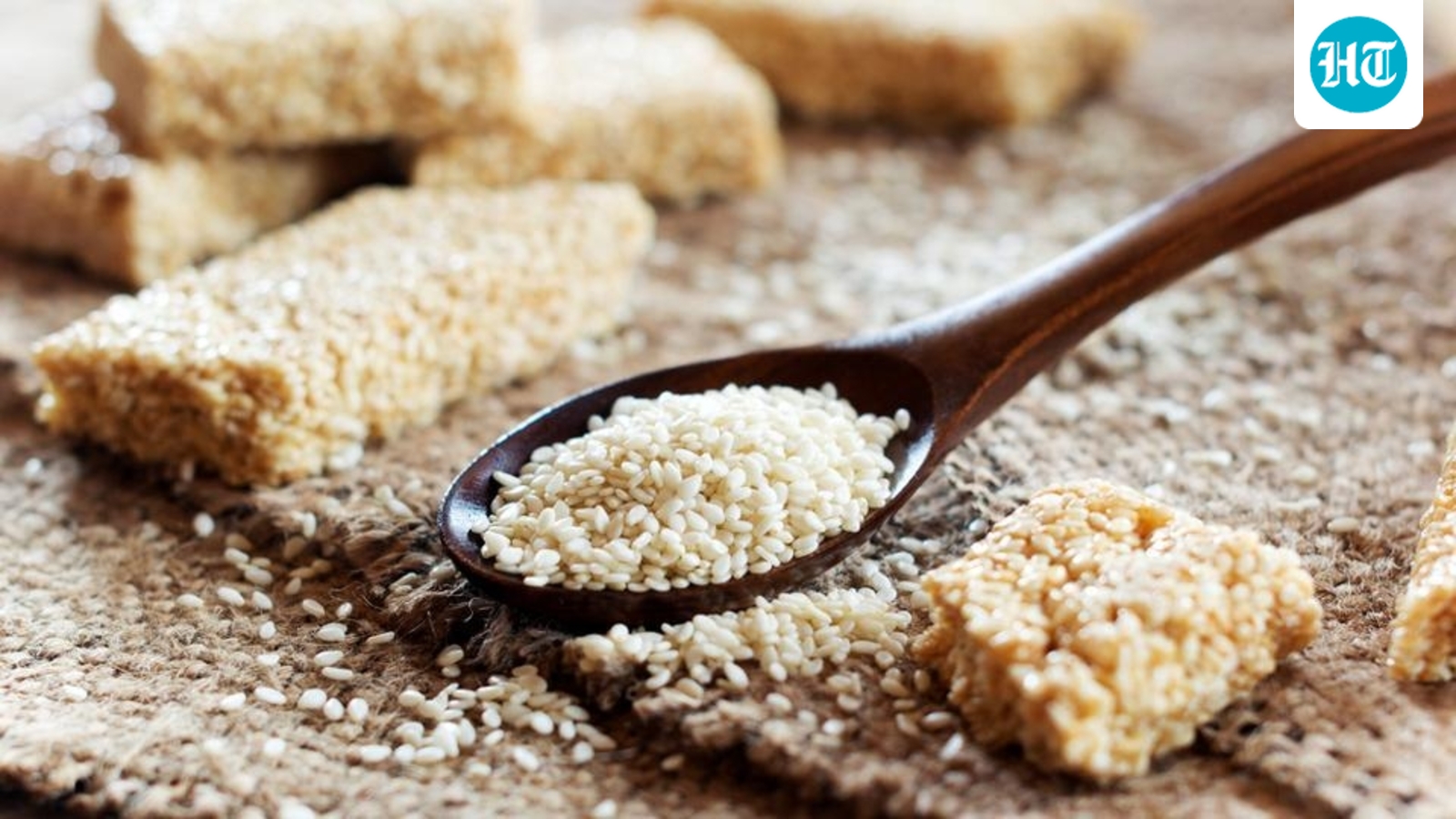
Sesame seeds are small in size, but big on benefits. In India, about 8% of men seek help for fertility problems, according to the World Journal of Men’s Health, which reflects the silent struggles faced. One natural food that may help to boost sperm quality is sesame seeds, according to Ayurvedic experts.
Ayurvedic texts consider sesame seeds a powerful medicine with numerous healing benefits. “Important figures in Ayurveda, such as Acharyas Charaka and Sushruta, praised sesame seeds for their ability to promote strength (balya), enhance sexual health (vrishya), and provide nourishment (rasya)”, Ayurvedic expert Dr Chanchal Sharma, tells Health Shots.
Rajani Patankar of Ayurved Mahavidyalaya and Seth R. V. Ayurved Hospital, Mumbai, tells Health Shots: “Sesame seeds can be a helpful addition to standard treatments for male infertility. A study in the Journal of Research in Medical Sciences 2013 suggests that sesame seeds may improve sperm count and quality in men facing fertility challenges.”
Are sesame seeds good for sperm count?
A 2013 study published in the Journal of Research in Medical Sciences found that sesame seeds may support male fertility. The study involved twenty-five infertile men aged 27 to 40 who took 0.5 grams of sesame seed powder every day for three months. They experienced improvements in sperm count and movement. Notably, two men were able to conceive naturally without using advanced treatments like IVF, highlighting the benefits of this simple seed.
Sesame seeds are rich in essential nutrients, including calcium, iron, and zinc. “These minerals help improve reproductive health and boost sperm vitality. They play a crucial role in sperm health and can enhance overall reproductive function,” says Patankar. This aligns well with Ayurvedic principles that emphasise nourishing the body.
How to add sesame seeds to your diet?
Adding sesame seeds to your diet is more than just adding them to a salad. You can enjoy these healthy seeds in many tasty and creative ways:
- Morning ritual: Starting your day with sesame seeds mixed with a small amount of jaggery is a common Ayurvedic recommendation. Eating this mixture on an empty stomach can boost your energy and support reproductive health.
- Winter warmer: In Ayurveda, people often recommend eating warm foods during winter. “Eating sesame seeds in the cold months, either as a snack or in meals, can help keep your body warm and support a steady metabolism”, says Dr Sharma.
- Culinary versatility: Use sesame oil in your cooking. “It adds flavour and strengthens Shukra Dhatu, which, in Ayurveda, supports reproductive health”, says Patankar.
- Post-menstrual boost for women: Women are encouraged to eat sesame seeds after their periods. This helps balance the menstrual fluid and supports hormonal stability.
Do sesame seeds help in ovulation?
Stress and unhealthy diets can disrupt hormones, affecting fertility in both men and women. “Sesame seeds can help not only improve fertility in men but also offer important benefits for women, especially those with irregular menstrual cycles or poor uterine health. Sesame seeds help improve blood circulation, which is important for regulating ovulation and supporting conception,” says Dr Sharma. They also contain antioxidants that reduce oxidative stress. This factor can negatively affect reproductive health in both men and women.
Is it safe to eat sesame seeds every day?
Sesame seeds are generally safe to eat, but it’s important to consume them in moderation. Eating too much can upset your digestion and cause discomfort. “If you have specific health concerns, especially if you have a Vata constitution, it’s a good idea to talk to an Ayurvedic practitioner for tailored advice”, says Patankar. Sesame seeds can be good for your reproductive health, but they aren’t a cure-all. It’s important to look at fertility holistically. Focus on good nutrition, regular exercise, and managing stress in your daily life.
(Note to readers: This article is for informational purposes only and not a substitute for professional medical advice. Always seek the advice of your doctor with any questions about a medical condition.)