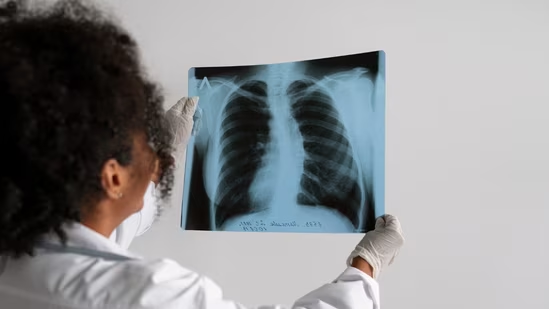
The World Health Organisation states that lung cancer is the leading cause of cancer-related deaths worldwide, with the highest mortality rates among both men and women. It remains deadly, making it extremely critical to detect it early on. When lung cancer is diagnosed at an advanced stage, treatment options become limited. Along with regular screening, adopting healthy lifestyle habits and eliminating risk factors become critical.
We asked Dr Vijay Agarwal, medical oncologist at Apollo Hospitals, Bengaluru, to shed light on the risk factors.
He remarked, “Several everyday habits, often unnoticed, can quietly increase the risk of lung cancer over time.” This shows that everyday harmless habits increase the risk of developing lung cancer over time. You may not notice now, but they eventually build up, leading to serious, long-term health complications.
The oncologist shared a guide outlining the major causes of lung cancer
1. Smoking even a few cigarettes a day
2. Regular exposure to second-hand smoke
- People who do not smoke but are exposed to secondhand smoke inhale many of the same toxic substances as smokers.
- Common exposure settings include homes, cars, shared living spaces, and workplaces where smoke may linger even after brief exposure.
3. Cooking in poorly ventilated kitchens
- Daily exposure to smoke and fumes from high-temperature frying, repeatedly heated oils, or the use of fuels such as wood, coal, or kerosene releases fine particles that can irritate the lungs.
- Over time, this persistent irritation may contribute to chronic lung damage.
- Homemakers, cooks, and households using traditional chulhas or non-ventilated stoves are particularly vulnerable.
4. Breathing polluted air on a daily basis
- Air pollution, especially fine particulate matter (PM2.5), penetrates deep into the lungs and causes ongoing inflammation and cellular injury.
- Long-term exposure has been linked to an increased risk of lung cancer, even among non-smokers.
- Everyday sources include traffic emissions, construction dust, industrial pollution, and seasonal smog.
5. Ongoing exposure to harmful substances at work
- Jobs like construction, mining, welding, and manufacturing involve regular exposure to dust, fumes, and harmful chemicals such as silica and diesel exhaust.
- Asbestos exposure from older buildings, insulation, or demolition work is a major risk and can cause long-term lung damage.
- Prolonged exposure, especially without proper protective gear, gradually increases the risk of lung cancer.
How to reduce risk? The oncologist further emphasised cutting down on smoking, stating, “There is no safe level of smoking, as each cigarette contributes to cumulative harm.” Along with this, he also encouraged improving kitchen ventilation by using exhaust fans, chimneys, and keeping windows open, as well as opting for cleaner cooking fuels whenever possible. For those at risk in workplaces, Dr Agarwal recommended wearing protective masks in polluted or dusty environments.
Note to readers: This article is for informational purposes only and not a substitute for professional medical advice. Always seek the advice of your doctor with any questions about a medical condition.