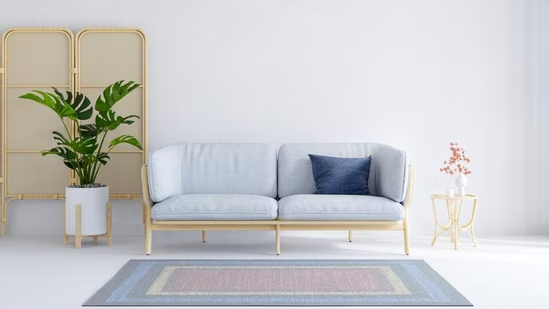
Creating depth is crucial. It adds intrigue and visual comfort to a space. You can invest in the fanciest furniture, the quirkiest artwork, the trendiest accent wall and even statement lighting straight out of a movie set, yet something is still missing, the last piece of the puzzle. The missing piece is layering rugs.
ALSO READ: Tired of city noise? 5 decor and design hacks to make your home calm and cosy
The texture of a rug imparts much-needed depth through tactile variation. Clean lines and sharp structure can only go so far before the room begins to feel impersonal and more suitable for an avant-garde art showroom than being called a home. A rug softens the lines and grounds the space, adding dimension to the eye.
Beyond texture, a rug adds personality, whether through its colour palette, intricate patterns and subtle sheen. While yes, it is also functional, providing the much-needed softness underfoot, it strongly shapes how any room looks or feels.
To further understand how homeowners can properly layer rugs at home, HT Lifestyle connected with Neha, co-founder of Grey Weave Rugs, about how to nail the art of layering. From choosing the right base and playing with proportions to mixing materials and enhancing open layouts, she shared a comprehensive perspective on the decisions homeowners need to make to achieve a cohesive, well-coordinated look.
1. Mixing materials
Who said rugs to be made from just one material? Challenging this common belief, Neha explained, “Material interplay enhances sensory experience. Underfoot softness paired with visual texture.”
Here are some of the options she shared, depending on the vibe you are going for:
- Wool + Silk: For depth and gentle luminosity.
- Jute + Patterned Wool: For casual sophistication.
- Flatweave + High-pile accent: For great tactile contrast.
2. Zoning open spaces
In modern interiors with open layouts, there is usually no clear division marking where one area begins and another ends. This is where rugs come in handy. Neha described rugs as a powerful zoning tool in such spaces.
Neha’s tips for the same include:
- A large neutral rug can define the living area, while a smaller accent rug is layered beneath a coffee table.
- In bedrooms, placing a textured base rug wall-to-wall and layering a silk-blend rug partially under the bed adds intimacy and luxury.
- In studios, layered rugs visually separate lounging, dining, and reading areas without physical partitions.
3. Layering different rugs
If you have more than one rug to place in a space, understanding how to layer them becomes critical. This includes deciding which rug should go on top and which should act as the base, based on size, colour, texture and pattern.
Here are some of her tips:
- The top rug need not always be centred, slight offsets can create dynamic asymmetry.
- Colour stories should converse rather than compete. Monochromatic layering, shades of beige, taupe, and grey, feels refined. Bold layering, rust over charcoal, indigo over sand, feels expressive.