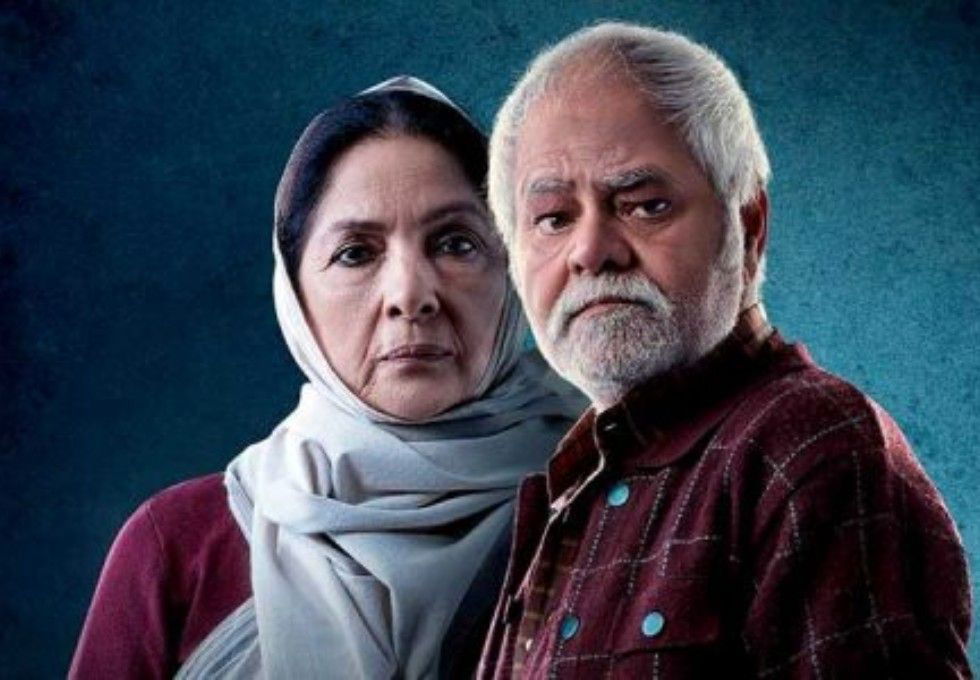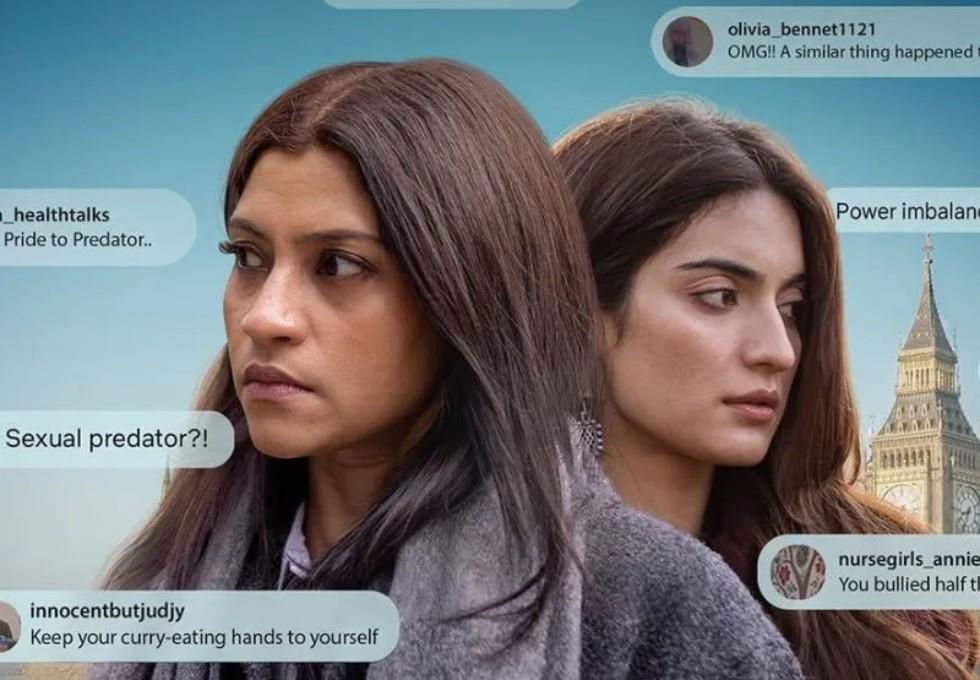
Accused, directed by Anubhuti Kashyap, attempts to create a new identity for the socio-legal thriller genre through its innovative storytelling, which focuses on female characters as they experience sexual misconduct allegations. The film, which premiered on Netflix on February 27, presents a story set in London that follows Dr. Geetika Sen, a renowned gynecologist who experiences life destruction after people start making anonymous sexual harassment allegations against her through online platforms and within her professional circle. During the global Me Too campaign, a number of women found the confidence to publicly identify and condemn influential individuals. The accused makes an effort to investigate a less explored and more awkward issue on how society would react when the accuser and the alleged offender are both women.
Accused challenges audiences to confront their discomfort with a powerful woman who faces serious allegations, unlike most mainstream stories, which depict male perpetrators and female victims. The film reaches its strongest thematic base through this thematic ambition, which drives viewers to examine their existing beliefs about gender and power and reputation and due process.
Performances That Elevate the Narrative
Konkona Sen Sharma delivers a commanding portrayal of Geetika, embodying her professional authority and emotional complexity. The story maintains its focus through Sharma’s performance, which shows her strong character control at work and her weak character state during accusation moments. The audience experiences an interactive experience through her performance because it creates a space where moral boundaries dissolve and society determines guilt or innocence.
Pratibha Ranta, who plays Geetika’s wife, Dr. Meera, serves as the emotional counterpart to the film. Her role shows the development of her character as she struggles with three emotions: doubt, love, and betrayal. While some critics felt their chemistry lacked sufficient spark to fully convince the audience of their bond, Ranta’s performance remains one of the movie’s emotional strengths because it provides authentic representation of her character’s developing conflict.
Strengths and Shortcomings in Storytelling
Though the performances create an impressive effect, the film fails to deliver cohesive storytelling. Several reviewers noted that while the film sustains tension steadily and engages with its moral questions thoughtfully, the writing fails to achieve its required emotional depth. The resolution, in particular, was cited as underwhelming, arriving with less narrative impact than the buildup promises.
Some critics highlighted that the film’s pacing and character arcs needed better explanation through complete character development because they required more time to develop their storylines. The structural component of the work establishes a constant pattern, which decreases the work’s capacity to create suspense because the audience experiences less intense moments.
Visual and Emotional Tone
The visual elements of the film Accused create psychological tension through their use of muted colors and simple cinematographic techniques. The story develops through slow character exploration and silent battles between characters, which demonstrate how the main characters’ lives change after they face serious accusations. The audience reacted differently to this stylistic choice because some viewers found the film’s restraint to be fresh, while other viewers thought the film lost its energy during important parts of the story.
Final Thoughts and Analysis
The movie Accused represents an ambitious attempt to create a character-driven psychological drama that explores actual social issues. The film introduces a valuable discussion topic through its examination of reputation and judgment and the intricate nature of accusation. The film fails to achieve its ambitious thematic goals because of its inconsistent writing and the restrained emotional intensity of its final scenes. The movie Accused presents two strong performances through Konkona Sen Sharma and Pratibha Ranta, which create a watchable experience despite its main idea and performance both losing their effect for some viewers.