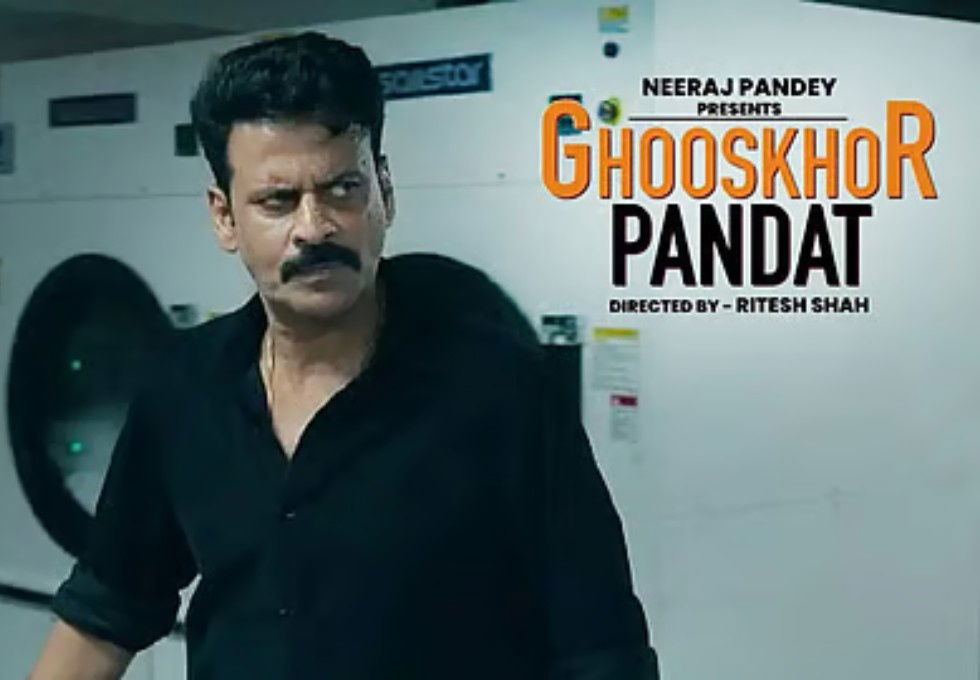
The Supreme Court of India on Thursday disposed of a plea challenging the title of the upcoming Netflix film originally known as Ghooskhor Pandit. The petition claimed that the title, which combined a bribery term with a community identifier, should be considered defamatory because it would damage the Brahmin community’s dignity and religious beliefs, which would lead to social disharmony.
Affidavit Submission and Formal Withdrawal of the Title
Filmmaker Neeraj Pandey submitted an affidavit before the court formally withdrawing the title Ghooskhor Pandat. The written assurance from Pandey contained his statement that the controversial title would no longer be used in any way and all promotional materials had been either removed or changed to meet his requirements. The bench received his assurance that the film treated all religions and castes and communities with respect without any form of insult or discrimination. The filmmaker declared that they had no plan to create offense through their work, and the final title would not bear any resemblance to the title that had been withdrawn.
Supreme Court Closes the Plea After Title Withdrawal
The Supreme Court of India has officially disposed of the plea challenging the controversial film title Ghooskhor Pandat. The petition had raised objections over the use of the word “Pandat,” arguing that pairing it with a term associated with bribery could be defamatory and hurt the sentiments of a particular community. The court reached its decision after reviewing all submitted documents and current events because the main complaint about the title had been resolved, which ended the legal conflict.
Court’s Observations on Freedom and Responsibility
The Supreme Court determined that the title objection had been completely resolved after the parties presented their withdrawal and modifications to the court. The jury justices B.V. Nagarathna and Ujjal Bhuyan decided and established that filmmakers must balance their artistic expression with their duty to society while they enjoy constitutional protection under freedom of expression. The court stopped the proceedings because the filmmakers had removed the disputed material and provided complete commitments.
Background of the Controversy and Public Reaction
The controversy emerged after objections were raised claiming that the title stereotyped and maligned a respected community by associating it with corruption. The matter gained traction both legally and publicly, leading to debates about the limits of cinematic expression. The same type of dispute occurred before the release of Padmavat and PK when those films faced protests and legal challenges because people claimed they disrespected religious and cultural values. The cases have generated national debates about religious beliefs, personal identity, and the role of cinema in shaping narratives.
What Lies Ahead for the Film
The film will proceed with a new title, which remains unannounced because the case has reached its conclusion. Through new marketing materials, which will reflect the judge’s comments, the production team will present the project again to the public. The current legal obstacle has been resolved, but the industry and audience members continue to debate the broader issues at hand. Neeraj Pandey directs this upcoming Netflix film, which presents a fictional crime drama that follows a police investigation conducted by an officer whose moral character remains uncertain. The story follows this central character, a law enforcement figure entangled in a web of corruption and conspiracy, whose choices drive the narrative through suspense, action, and interpersonal conflict. The cast features Nushrat Bharuccha, Saqib Saleem, Akshay Oberoi, and Divya Dutta together with Manoj.
The Larger Debate: Expression vs. Cultural Responsibility
The closure of the Ghooskhor Pandat case establishes an ongoing debate that continues to exist throughout Indian cinema. Should creative expression push boundaries in pursuit of storytelling realism, or must filmmakers always carefully balance artistic vision with cultural and religious responsibility? The film industry currently shows a developing trend that results in audiences expressing their opinions about movies while filmmakers have to find ways to maintain their artistic freedom and respond to audience needs.