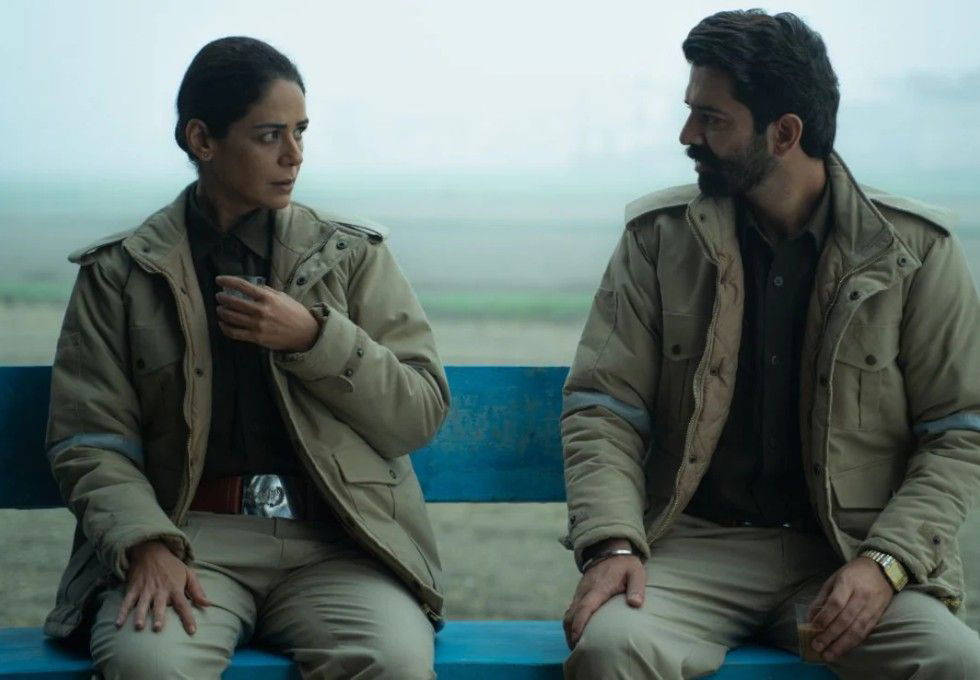
In a candid conversation about his latest work in Kohrra 2, actor Barun Sobti addressed the subtle yet persistent issue of patriarchy within the entertainment industry. The actor, who demonstrates his talent through various platforms, announced that some male workers still experience problems when they must follow women who hold executive positions. He used the Kohrra 2 plot, which shows his character reporting to a female police officer played by Mona Singh, to demonstrate how society still battles with deeply rooted gender norms. The issue exists because Sobti believes many people have encountered it through their actual experiences, which happened both on movie sets and in creative spaces.
Reflection on Gender Roles and Comfort Zones
Sobti explained that men react to situations differently because strong women and powerful women force their strong opinions on men. His remarks show how social conditioning creates power dynamics in workplaces, which especially affects industries that depend on leadership and creative teamwork. The issue of patriarchal influence on perceptions and relationships and professional development needs to be addressed, as Sobti demonstrates through his research, which shows how these traits affect people in their work.
Breaking Stereotypes With Kohrra
The story of Kohrra 2 shows Sobti participating in a plot that defies traditional character roles. The show presents intricate human narratives while establishing female characters as powerful leaders. Sobti thinks that these visual representations help people learn to accept female leaders as normal through their appearance in movies and television shows. He explained that although certain advancements have occurred, society requires additional efforts to create equal opportunities and recognize all characters, especially female characters, without any biased or stereotypical treatment.
Impact of Kohrra on His Career
The actor shared his professional development pathway through his experience with the first and second seasons of Kohrra. The first season brought him considerable recognition, which Sobti credits for opening up a wider range of opportunities in the industry. The show attracted viewers and entertainment professionals because of its broad appeal, according to his observations. The actor achieves ongoing success through his work in successful projects like Asur and Raat Jawaan Hai, which demonstrate how deep storytelling together with complex characters boosts his visibility in competitive environments.
Views on Collaboration and Respect in the Industry
Sobti stated that all film and television production should start with fundamental collaborative respect between all individuals regardless of their gender. He demonstrated that creative teams achieve success when their members show each other respect and maintain open communication instead of following hierarchical structures. His belief is that such environments produce better acting results and create more original storytelling methods. His statements show that he wants the industry to hire diverse actors while providing them with real power in all production areas.
Broader Context of Gender Conversations in Cinema
Sobti’s remarks demonstrate the ongoing discussions that the Indian cinema and television industries hold about representation and gender equality matters. The entertainment industry shows progress with its increased production of stories about strong female leads, but it still battles against established societal standards, which shape how people behave and what they expect from others. Sobti and other performers help develop more welcoming workspaces through their public discussions about these topics, which help people change their views. People who watched Sobti’s viewpoints reacted enthusiastically because they admired his honesty and belief in gender equality within artistic environments.