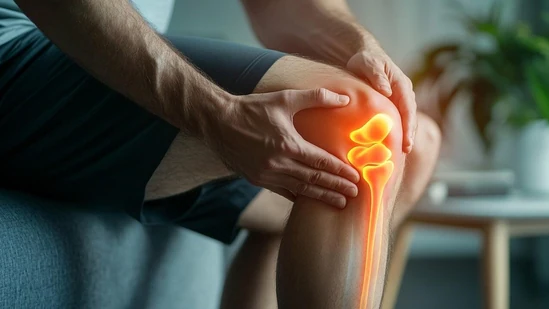
Joint pain has long been associated with ageing, often thought to affect people in their 60s and beyond. But lately, more and more young adults in their 30s are reporting stiffness, swelling, and discomfort in their knees, hips, and shoulders. In an interview with HT Lifestyle, Dr Avik Bhattacharya, Interventional Radiologist, CK Birla Hospitals, Kolkata, West Bengal, explains why joint pain is now hitting Indians much earlier than before. (Also read: Cardiologist reveals how a 37 year old Hyderabad man who ran 5 km daily, never drank or smoked, ‘needed 2 heart stents’ )
What everyday habits worsen varicose veins
According to Dr Avik Bhattacharya, certain everyday habits can unknowingly worsen the condition.
“Prolonged sitting or standing without movement, and spending long hours in high heels, increase pressure on leg veins and impair blood flow,” explains Dr Bhattacharya. “Lack of physical activity weakens the calf muscles, which act as a natural pump for venous circulation, while excess body weight further strains already fragile veins.”
Even dietary factors can play a role. “Dehydration and low fibre intake can contribute by increasing blood viscosity and constipation, which raises abdominal pressure and worsens venous reflux,” he adds.
How can simple lifestyle changes help
Ignoring early signs such as leg heaviness, swelling, or visible veins can allow the condition to progress. However, Dr Bhattacharya emphasises that simple lifestyle adjustments can make a big difference: “Regular movement breaks, leg elevation, supportive footwear, maintaining a healthy weight, and staying active can significantly slow disease progression and reduce complications.”
By making small, consistent changes, individuals can protect their veins, reduce discomfort, and prevent varicose veins from worsening over time.
Note to readers: This report is based on user-generated content from social media. HT.com has not independently verified the claims and does not endorse them.
This article is for informational purposes only and not a substitute for professional medical advice.